 Save
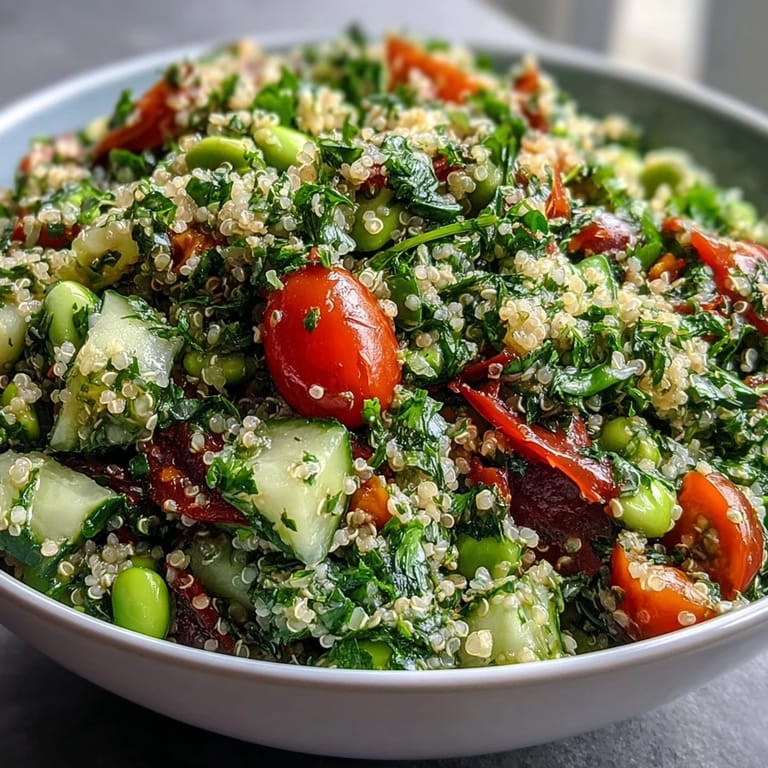
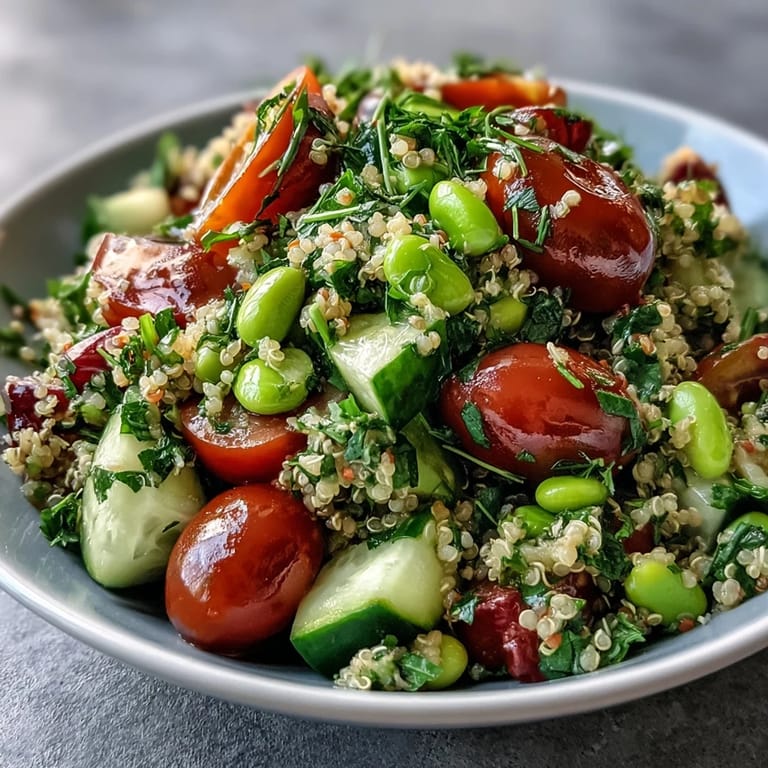
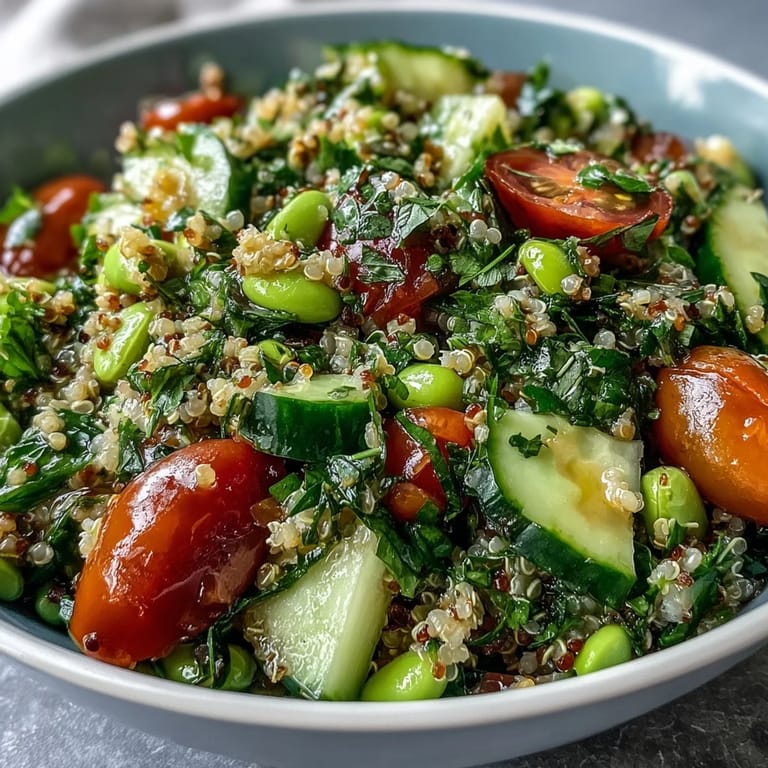
Save My coworker Sarah showed up with this salad one Tuesday afternoon, and I've been chasing the recipe ever since. The way the quinoa caught the light, studded with those bright green edamame and jewel-toned tomatoes, made me want to stop scrolling through my emails and actually pay attention to lunch. She wouldn't give me exact measurements at first, just kept saying it was whatever I had on hand tossed with lemon. So I experimented, failed spectacularly with too much vinegar once, and eventually landed on something that tastes like summer in a bowl—even in February.
I made this for a potluck once where everyone brought heavy pasta salads and potato dishes, and watching people come back for thirds felt like winning something. The bowl arrived home nearly empty, and I realized this salad had sneaked past all those crowd-pleasing casseroles by being exactly what people actually wanted to eat.
Ingredients
- Quinoa, rinsed: Always rinse this first—nobody tells you this matters until you taste the difference, and then you can't unknow it.
- Water: Use the standard two-to-one ratio and don't skip covering the pot; you'll end up with fluffier grains.
- Shelled edamame (fresh or frozen): Frozen works just fine and saves you the shelling mess; they thaw while cooling naturally.
- Cherry tomatoes, halved: Buy them in season or when they actually smell like something—it changes everything.
- Red bell pepper, diced: The sweetness here balances the zesty dressing, so don't skip it for another vegetable.
- Cucumber, diced: This adds a quiet freshness that makes you want another bite.
- Red onion, finely chopped: Go gentle on the quantity unless you like raw bite; it's stronger than you think.
- Fresh parsley, chopped: The chlorophyll does something to this salad—it brightens everything visually and flavor-wise.
- Fresh mint, chopped: This ingredient is the secret nobody expects; it's why people ask for the recipe.
- Olive oil: Don't use the fancy bottle; use something you actually like tasting.
- Lemon juice: Fresh lemon beats bottled every single time, and you'll taste why.
- Rice vinegar: This is gentler than white vinegar and won't make the dressing taste aggressive.
- Dijon mustard: A small spoon ties everything together and adds complexity without you noticing it.
- Salt and black pepper: Taste before you finish; sometimes you need less than the recipe says.
Tired of Takeout? 🥡
Get 10 meals you can make faster than delivery arrives. Seriously.
One email. No spam. Unsubscribe anytime.
Instructions
- Rinse and cook the quinoa:
- Pour your quinoa into a fine-mesh strainer and run cold water over it until the water runs clear; this removes the natural coating that tastes bitter. Add it to a pot with two cups of water, bring it to a boil, then drop the heat low, cover it, and walk away for 15 minutes.
- Get the edamame ready:
- While that's happening, boil a small pot of water and add your edamame for just 3 or 4 minutes—they should be tender but still have some integrity. Drain and let them cool in a colander; they'll finish releasing steam and cooling down on their own.
- Chop your vegetables with intention:
- This is the moment where mise en place actually matters—get everything cut and prepped before you assemble, so you're not standing there with a half-cut red onion wondering what comes next. The cucumber and tomatoes release water, so don't cut them until you're ready to combine.
- Build the salad base:
- Once the quinoa has cooled enough to touch, combine it with the edamame and all your vegetables in a large bowl. The quinoa should be fluffed slightly with a fork as you add it, so it doesn't clump together.
- Make the dressing in one small bowl:
- Whisk together the oil, lemon juice, rice vinegar, mustard, salt, and pepper until it looks combined and tastes bright on your tongue. You'll know it's right when you taste it and your mouth waters a little.
- Bring it all together:
- Pour the dressing over everything and toss gently so the grains get coated without the vegetables getting bruised. Taste it now, because seasoning is the last thing you adjust, and you might want a pinch more salt or lemon.
- Chill or serve at room temperature:
- This salad is actually better cold, so if you have time, let it sit in the refrigerator for a few hours so the flavors get to know each other.
 Save
Save There's something quietly powerful about serving a salad where people actually eat vegetables by choice. My partner's mom asked for seconds, and that might sound small, but it was the moment I realized this recipe had become something I'd make again and again.
The Mint and Parsley Moment
The herbs are what make this taste different from other grain salads, and I learned this the hard way by making it without them once. Mint brings a gentle coolness that makes you want to keep eating, while parsley adds an earthy note that grounds everything. Together, they do something I can't quite explain—they make the whole bowl taste more alive. If your herbs are wilted or brown, just skip them or grab fresh ones another time, because sad herbs do the opposite of what you want here.
Why Cold Salads Hit Different
There's a reason this tastes better cold or at room temperature—the flavors have time to settle and marry together, and your palate isn't being burned by heat. The vegetables stay crisp, the quinoa stays tender, and the dressing clings to everything instead of running off. I've served this warm before, and it's fine, but it's not the same magic. Give it time in the refrigerator if you can, even just an hour, and you'll understand why I'm particular about this.
Variations and Personal Touches
The beauty of this salad is that it's flexible without becoming unrecognizable. Add toasted nuts if you want crunch, or skip them if texture isn't your thing. The dressing can shift too—lime juice instead of lemon brings a different brightness, and a tiny pinch of chili flakes adds heat without overpowering. I've added diced avocado, crumbled feta, shredded carrots, and corn, and every version was good in its own way. The core of quinoa and edamame stays the same, but the rest is your playground.
- Toast sunflower seeds or almonds in a dry pan for 2 minutes before adding them so they taste intentional and delicious.
- Swap herbs based on what you have—cilantro works, basil works, even tarragon if you're feeling fancy.
- Make extra dressing because there's never enough, and you'll want to drizzle more when you eat the leftovers.
 Save
Save This salad became the thing I make when I want to feel like I have my life together, because somehow combining these ingredients makes that happen. It's simple enough for a quick lunch and special enough for when people are coming over.
Recipe FAQs
- → Can I make this edamame quinoa bowl ahead of time?
Absolutely. The flavors actually improve after sitting for a few hours as the dressing permeates the grains and vegetables. Store in an airtight container for up to 4 days, adding fresh herbs just before serving if desired.
- → What protein alternatives work well in this dish?
Chickpeas, black beans, or diced grilled chicken all complement the quinoa base beautifully. For plant-based options, try roasted tofu cubes or cooked lentils instead of edamame while maintaining similar cooking times.
- → Is this salad served warm or chilled?
Both ways work perfectly. Serve immediately at room temperature for the brightest flavors, or refrigerate for at least 2 hours for a cool refreshing option. The quinoa texture remains pleasant either way.
- → Can I use frozen edamame instead of fresh?
Frozen edamame works wonderfully and often saves time. Simply boil according to package instructions, typically 3-4 minutes, then drain and cool. No need to thaw beforehand—cook directly from frozen.
- → What vegetables can I substitute seasonally?
Try diced zucchini in summer, shredded Brussels sprouts in fall, or roasted sweet potato cubes in winter. The citrus dressing pairs well with most raw or lightly cooked vegetables while maintaining the bowl's refreshing character.
- → How do I store leftovers properly?
Keep refrigerated in an airtight container for up to 4 days. The quinoa may absorb dressing over time, so add a splash of lemon juice or olive oil when serving leftovers to refresh the flavors and moisture.