 Save
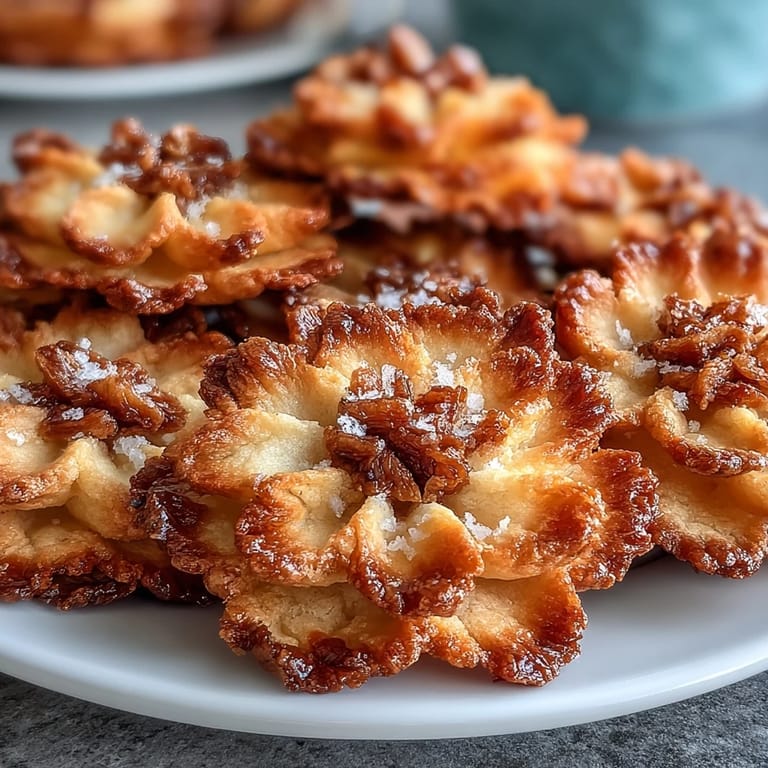
Save Delight in these delicate, buttery flower-shaped shortbread cookies that bring a touch of springtime elegance to any gathering. Their tender crumb and subtle vanilla flavor make them perfect companions for afternoon tea or festive celebrations, combining simple ingredients into an unforgettable British classic.
Save These cookies strike a lovely balance between crispy edges and tender centers, making them irresistible whether enjoyed plain or adorned with a dusting of powdered sugar or pastel icing.
Ingredients
Tired of Takeout? 🥡
Get 10 meals you can make faster than delivery arrives. Seriously.
One email. No spam. Unsubscribe anytime.
- Shortbread Dough
- 1 cup (225 g) unsalted butter, softened
- 1/2 cup (100 g) granulated sugar
- 2 cups (250 g) all-purpose flour
- 1/4 cup (30 g) cornstarch
- 1/4 tsp fine sea salt
- 1 tsp vanilla extract
- Decoration
- 2 tbsp coarse sanding sugar or colored sprinkles (optional)
- 1/4 cup (30 g) powdered sugar, for dusting (optional)
- Edible flower petals or pastel icing (optional)
Instructions
- 1. Preheat the oven to 350°F (175°C). Line two baking sheets with parchment paper.
- 2. In a large bowl, cream the butter and granulated sugar together until light and fluffy.
- 3. Mix in the vanilla extract.
- 4. In a separate bowl, whisk together the flour, cornstarch, and salt.
- 5. Gradually add the dry ingredients to the butter mixture, mixing until just combined. Do not overwork the dough.
- 6. Turn the dough out onto a lightly floured surface. Roll to 1/4-inch (6 mm) thickness.
- 7. Using a flower-shaped cookie cutter, cut out cookies and transfer to prepared baking sheets, spacing them 1 inch apart.
- 8. Sprinkle with sanding sugar or lightly press in edible flower petals, if desired.
- 9. Bake for 12–15 minutes, or until the edges are just turning golden.
- 10. Cool on the baking sheet for 5 minutes, then transfer to a wire rack to cool completely.
- 11. Dust with powdered sugar or decorate with pastel icing, if desired.
Zusatztipps für die Zubereitung
For an extra zing, fold 1 teaspoon of finely grated lemon or orange zest into the dough before rolling. Be gentle while mixing to preserve the tender crumb and avoid tough cookies.
Varianten und Anpassungen
Decorate with pastel icing in spring colors or arrange edible flower petals for an elegant finish. You can also substitute colored sprinkles to match any occasion's theme.
Serviervorschläge
Serve these shortbread cookies alongside a pot of tea or coffee for an afternoon treat. They're also lovely packaged as gifts or displayed on a dessert platter at celebrations.
 Save
Save With just a few simple steps and ingredients, these flower-shaped shortbread cookies will quickly become a cherished addition to your baking repertoire, bursting with classic flavor and charming presentation.
Recipe FAQs
- → What makes the shortbread tender and crumbly?
The combination of butter, flour, and cornstarch creates a tender, crumbly texture by balancing fat and starch content precisely.
- → Can I add citrus flavors to the dough?
Yes, finely grated lemon or orange zest can be added to the dough for a fresh citrus aroma and flavor enhancement.
- → How should I decorate these flower shapes?
Sprinkling coarse sanding sugar, pressing edible flower petals, or applying pastel icing adds decorative flair and slight variations in texture.
- → What is the ideal thickness for rolling the dough?
Rolling the dough to about 1/4 inch (6 mm) ensures even baking and a delicate crumb without dryness or sogginess.
- → How do I store these cookies to maintain freshness?
Store in an airtight container at room temperature for up to one week to keep them crisp and flavorful.
- → Can I substitute any ingredients for dietary needs?
While traditional ingredients include butter and all-purpose flour, alternative fats or flours can be experimented with, but may affect texture significantly.