 Save
Save My friend Marco brought a bottle of limoncello back from Amalfi and left it in my freezer, forgotten between the ice cream and frozen peas. Months later, I discovered it, ice-cold and glowing amber in the kitchen light, and realized I could make this myself—that the magic wasn't really magic at all, just patience and good lemons. The first time I opened a jar after two weeks of infusion, the smell hit like walking into a lemon grove, and I knew I'd found something worth repeating.
I gifted jars to my neighbors one December, each one wrapped with handmade labels and a tiny wooden spoon for serving. They'd ask about it for years afterward, and I realized something that many recipes never teach you—that the most memorable part wasn't the taste, though it was delicious, but knowing it came from my kitchen during the darkest month of the year.
Ingredients
- 8 large unwaxed organic lemons: The quality of your lemons will make or break this—waxed lemons trap chemicals in your infusion, so seek out farmers markets or organic sections where you can smell them first.
- 750 ml 95% pure grain alcohol (or 100-proof vodka if unavailable): The alcohol is your solvent, extracting every bit of lemon oil from the zest; grain alcohol works better than vodka because it's cleaner, but don't stress if you can't find it.
- 600 ml water and 400 g granulated sugar: This ratio creates a syrup that's balanced enough not to overpower the delicate lemon extraction, though you can adjust it slightly if you prefer something drier or sweeter.
Tired of Takeout? 🥡
Get 10 meals you can make faster than delivery arrives. Seriously.
One email. No spam. Unsubscribe anytime.
Instructions
- Prepare your lemons with care:
- Wash them under hot running water while scrubbing with your hands or a soft brush to remove any residue, dust, or waxy coating. Pat them completely dry with a clean towel—any moisture that sneaks into your jar will dilute the final product.
- Peel the zest like you're protecting a secret:
- Using a vegetable peeler, work slowly around each lemon to remove only the bright yellow outer skin, rotating the fruit as you go. If you accidentally catch white pith, you can gently scrape it off with a small knife, but the key is patience—this step feels meditative once you get the hang of it.
- Begin the infusion:
- Layer your lemon zest into a clean glass jar and pour the alcohol over it until everything is fully submerged. Seal it tightly and tuck it into a cool, dark corner of your kitchen, basement, or pantry where you'll remember to shake it occasionally.
- Let time do the work:
- Every two days, pick up that jar and give it a gentle shake—not vigorous, just enough to redistribute the zest and keep the infusion moving. Over 10 to 30 days, the alcohol will transform into liquid gold, turning a pale yellow that deepens over time.
- Make your syrup while waiting:
- In a saucepan, combine the water and sugar over medium heat, stirring occasionally until the sugar dissolves completely. Once it's clear and smooth, remove it from heat and let it cool entirely—you want this to be room temperature before combining it with the alcohol.
- Strain out the solids:
- Pour your infused alcohol through a fine mesh strainer lined with cheesecloth or a clean coffee filter into a bowl, letting gravity do most of the work. Gently press the zest to release any remaining liquid, then discard the spent peels.
- Marry the flavors together:
- Combine your strained lemon-infused alcohol with the cooled syrup in a clean jar, stirring well to blend them evenly. The mixture should taste bright and balanced, not too harsh from the alcohol or too sweet from the sugar.
- Bottle and rest:
- Pour your finished limoncello into sterilized glass bottles with airtight seals, leaving a little headspace at the top. Let these bottles rest at room temperature for at least a week—this final resting period allows the flavors to marry and mellow beautifully.
- Serve it frozen and perfect:
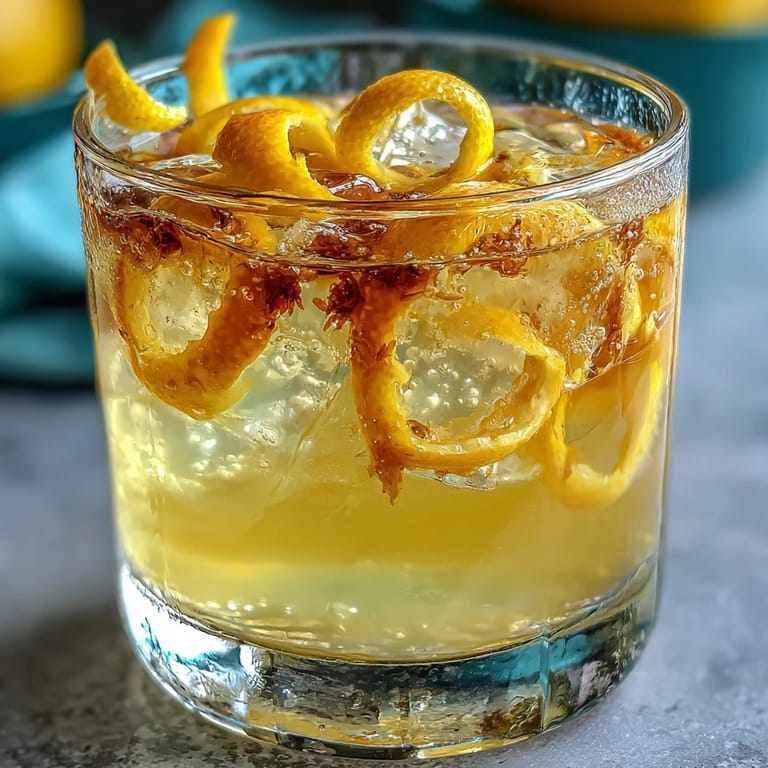
- Keep your bottles in the freezer and pour small glasses straight from the cold, letting the viscosity and numbing chill become part of the experience. A traditional serving is no more than a shot glass, sipped slowly after a heavy meal.
 Save
Save The first time someone visiting my home walked to the freezer and asked to taste it, saw their face light up, and said "this tastes like Italy," I understood why people make this recipe again and again. It's not just a drink—it's proof that your kitchen can create something refined and memorable from the simplest ingredients.
Finding the Right Lemons
The difference between ordinary limoncello and extraordinary limoncello often comes down to the lemons themselves. Visit a farmers market if you can and ask the grower which varieties they have—some sellers will hand you one to smell before you buy, and that aroma should be bright and assertive, not flat or muted. Meyer lemons will give you something floral and slightly different, while regular Europeana or standard yellows create that classic zesty profile you're probably imagining.
The Art of Patient Infusion
There's something almost meditative about shaking that jar every couple of days and watching the liquid gradually deepen in color, shifting from nearly clear to pale yellow to a honey-gold. You'll start noticing the smell through the glass—first sharp and intense, then gradually rounding out and softening as the alcohol extracts deeper notes from the zest. Some people are tempted to taste it early, but I've learned that the first sip at day 10 tastes harsh and raw compared to day 20 or 30, where all the edges have smoothed and the lemon flavor feels more integrated.
Customizing Your Limoncello
While the classic recipe is nearly perfect, your limoncello doesn't have to match anyone else's. Some people add a few grains of sea salt to their syrup to brighten the lemon flavor, while others infuse their alcohol with a vanilla bean or a strip of lemon zest for complexity. You can also adjust the sugar ratio—less sugar creates something more spirit-forward and dry, perfect if you're serving it to someone who prefers less sweetness.
- Taste your syrup before mixing it with the alcohol and adjust the sugar if needed, because once combined, it's harder to fix.
- Store finished limoncello in a cool dark place if you're not freezing it, as light and heat will gradually fade the color and flavor.
- If you're gifting bottles, sterilize them in the oven at 300 degrees for 10 minutes while empty, then let them cool before filling.
 Save
Save Making limoncello is proof that some of the most beautiful things come not from rushing but from waiting, from choosing quality ingredients and trusting time to do what effort cannot. Pour a small glass, feel the cold bite on your lips, and know that you created something worth savoring.
Recipe FAQs
- → What type of lemons work best for this liqueur?
Use unwaxed, organic lemons to ensure pure zest flavor without residues or chemicals.
- → How long should the lemon zest infuse in the alcohol?
Infuse for 10 to 30 days in a cool, dark place, shaking gently every two days for robust lemon aroma.
- → Can I substitute grain alcohol with vodka?
Yes, a good quality 100-proof vodka can be used as an alternative to grain alcohol with similar results.
- → How is the syrup prepared for this infusion?
Combine water and granulated sugar in a saucepan, heat gently until sugar dissolves, then cool to room temperature before mixing.
- → What is the recommended serving method for this liqueur?
Serve well chilled, preferably straight from the freezer in small glasses to enjoy its crisp flavor.
- → Can I adjust sweetness levels in the final product?
Yes, sugar amounts can be modified in the syrup to achieve a sweeter or drier balance according to taste.