 Save
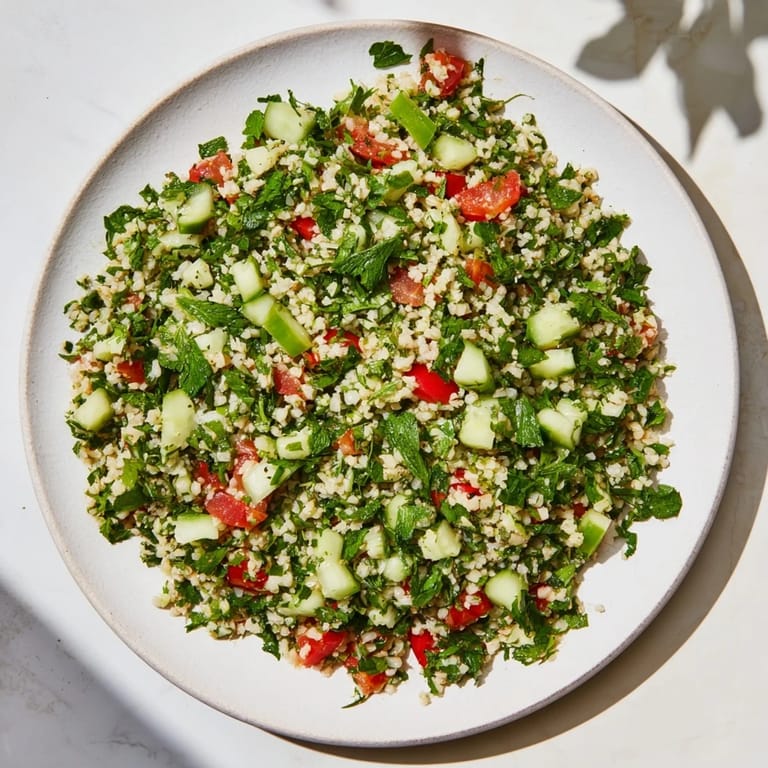
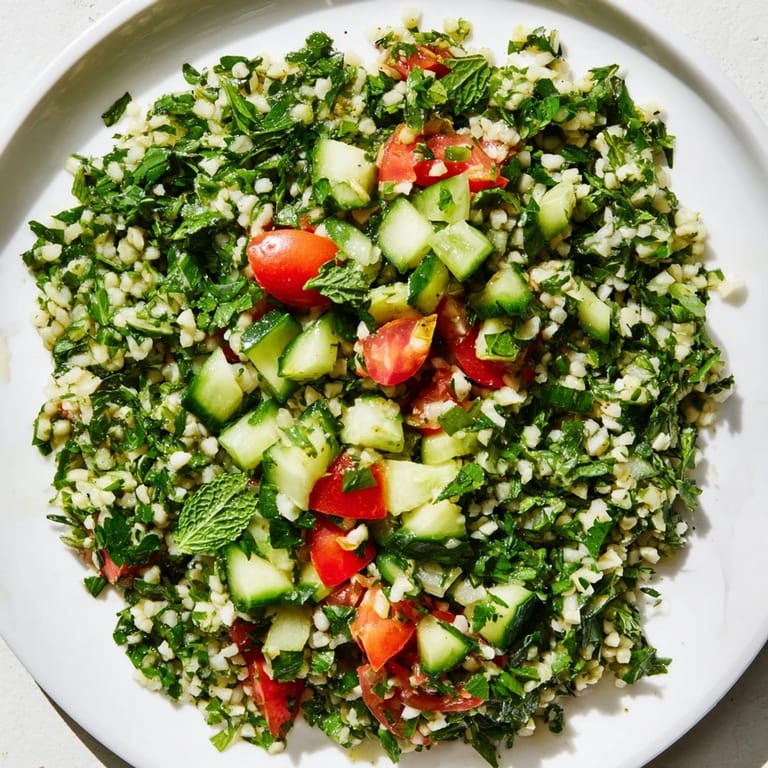
Save There's something about standing in a Mediterranean market in summer, watching vendors arrange mountains of parsley in towering bunches, that makes you understand why tabbouleh exists. I learned to make this salad from a neighbor who'd grown up in Beirut, and she taught me that this isn't just a side dish—it's a celebration of fresh herbs and the simplicity of letting good ingredients speak for themselves. The first time I made it, I used the wrong parsley and ruined the whole thing, but that mistake led me here, to the perfect version that tastes like sunshine in a bowl.
I made this for a potluck last summer, arriving with a big bowl still cold from the fridge, and watched it disappear before anything else on the table even got touched. Someone asked for the recipe that same night, and three more people asked the next week—that's when I knew I'd stumbled onto something special.
Ingredients
- Fine bulgur wheat (1/2 cup): This is the grain that gives tabbouleh its signature texture; use fine bulgur, not the coarse kind, or you'll end up with something too chewy.
- Boiling water (3/4 cup): Hot water softens the bulgur gently without cooking it, which is exactly what you want for that tender but slightly toothy bite.
- Flat-leaf parsley (2 large bunches, about 2 cups packed): This is where tabbouleh gets its personality—flat-leaf parsley has a fresher, more delicate flavor than the curly kind, so don't skimp or substitute.
- Fresh mint leaves (1/2 cup, finely chopped): Mint brightens everything and adds that cooling sensation that makes this salad taste like a breeze on a warm day.
- Spring onions (2, finely sliced): They bring a mild onion sharpness that grounds all the freshness without overpowering it.
- Medium tomatoes (3, seeded and diced): Seeding them prevents your salad from becoming watery and soggy, which I learned the hard way.
- Cucumber (1/2 medium, diced): It adds crunch and keeps the whole thing light and hydrating.
- Extra-virgin olive oil (1/4 cup): Good quality oil is everything here since there's nowhere to hide; this is your chance to use that bottle you've been saving.
- Freshly squeezed lemon juice (1/4 cup): Bottled juice will never taste the same—the brightness you get from fresh lemons is irreplaceable.
- Fine sea salt (1/2 teaspoon) and freshly ground black pepper (1/4 teaspoon): These simple seasonings let the herbs and vegetables shine without competing.
Tired of Takeout? 🥡
Get 10 meals you can make faster than delivery arrives. Seriously.
One email. No spam. Unsubscribe anytime.
Instructions
- Hydrate your bulgur:
- Place bulgur in a small bowl and pour boiling water over it, then cover with a lid or plate. Let it sit for 10–15 minutes—you want it tender but still with a little resistance when you bite into it. Drain off any excess water and fluff it gently with a fork so every grain stays separate.
- Combine the fresh stuff:
- In a large mixing bowl, toss together your chopped parsley, mint, spring onions, diced tomatoes, and cucumber. This is where you really notice the colors and smell the fresh herbs waking up.
- Bring it all together:
- Add the cooled bulgur to your vegetable and herb mixture, folding gently so you don't crush anything.
- Make the dressing:
- In a small bowl, whisk together the olive oil, lemon juice, salt, and pepper until emulsified. Taste it on its own—it should be bright and balanced.
- Dress and toss:
- Pour your dressing over the salad and toss gently until every component is coated and happy. The warmth from your hands will help release even more of those herb aromas.
- Taste and serve:
- Give it a final taste and adjust the salt or lemon juice if needed—different tomatoes and cucumbers have different water content, so trust your palate. Serve it chilled or at room temperature, and enjoy it fresh.
 Save
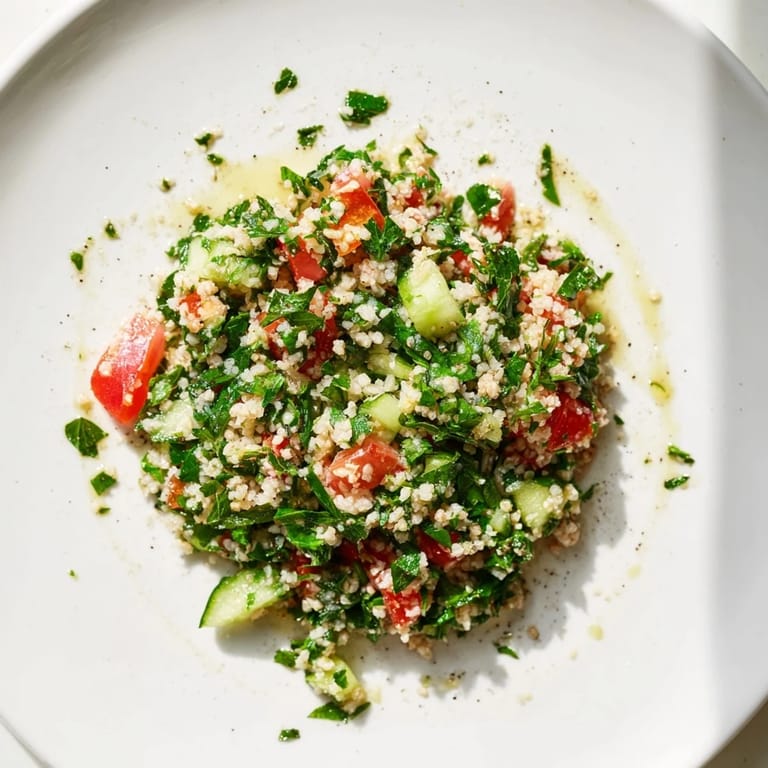
Save The moment that made me truly love this salad came when my daughter, who was picky about salads, asked for seconds and then thirds. She said it tasted like eating green, which I think is the highest compliment a salad can get.
The Secret to Fresh Herbs
I used to chop my herbs too far ahead and watch them wilt and lose their brightness, but I've learned that chopping them just before you make the salad keeps them perky and alive. If you're prepping for a party, chop your vegetables and bulgur early, but wait on the herbs and the final assembly until closer to serving time. This way, every bite tastes like you picked the herbs minutes ago and brought them straight to the table.
Playing with Variations
While traditional tabbouleh is perfect as-is, I've played around with swaps that work beautifully. Quinoa makes an excellent gluten-free stand-in and actually gives you a protein boost if you're eating this as a main course. Sometimes I add pomegranate seeds for tartness and jewel-like pops of color, or crumbled feta if I'm feeling less strictly vegan. The beauty of this salad is that it's forgiving enough to welcome additions, but simple enough that you never need them.
Serving and Pairing Ideas
Tabbouleh is the ultimate team player at the table, fitting naturally into a mezze platter alongside hummus, falafel, and grilled vegetables, or standing proudly as a bright side dish next to grilled chicken or lamb. It's also wonderful stuffed into pita bread with some grilled halloumi or tucked alongside roasted vegetables for a light lunch. I've even served it as part of a cold bowl situation with some grains and protein, and it transforms into something entirely different but equally delicious.
- Pair it with warm pita, grilled meats, or falafel for the full experience.
- Layer it into grain bowls with roasted vegetables and your protein of choice.
- Pack it for picnics and outdoor meals where it shines in the sunshine.
 Save
Save This salad reminds me that some of the best dishes come from respecting simple ingredients and letting them be themselves. Make it when you want to taste summer on a plate.