 Save
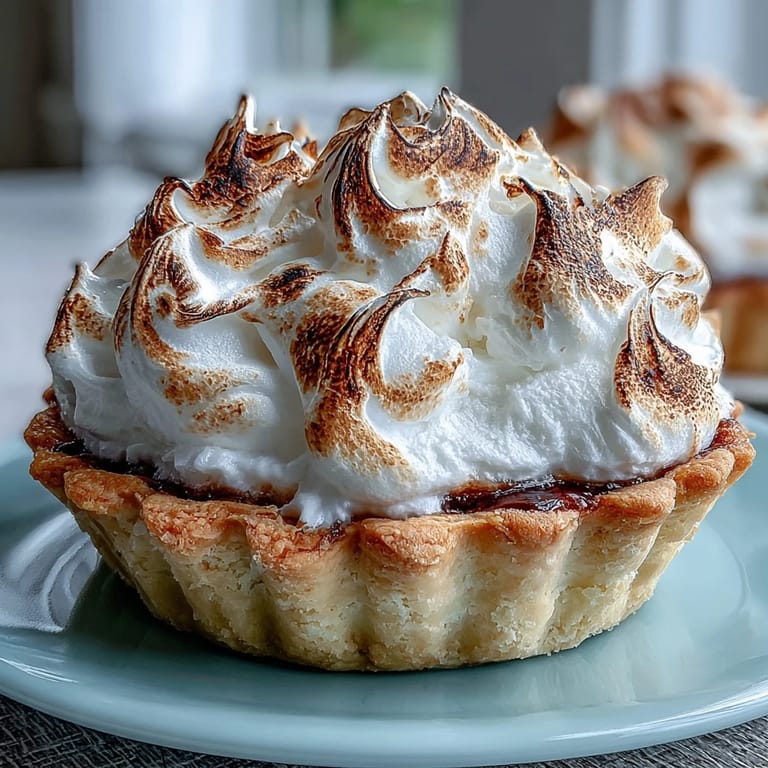
Save My neighbor brought over a slice one summer afternoon, the meringue still slightly warm and pillowy. I took one bite and tasted sunshine, tartness, and something close to magic. The next weekend, I was elbow-deep in flour, determined to crack the secret of that glossy, cloud-like topping. After three attempts and one weepy meringue disaster, I finally nailed it, and now this pie shows up at every gathering I care about.
I made this for my sister's birthday once, and she cried a little when I brought it out. Not because it was her favorite (though it was), but because I'd remembered the pie our grandmother used to make every Easter. The meringue never stood quite as tall back then, but the love was the same. We ate two slices each that night and regretted nothing.
Ingredients
- All-purpose flour: The backbone of your crust, and using cold butter with it creates those flaky layers that shatter perfectly under your fork.
- Unsalted butter: Cold and cubed is non-negotiable here; warm butter turns your dough greasy and tough instead of tender.
- Ice water: Add it slowly and stop the second your dough holds together, because too much makes it sticky and impossible to roll.
- Granulated sugar (for filling): Balances the sharp lemon juice without making it cloying, and cornstarch helps it set into that perfect, sliceable custard.
- Cornstarch: This is what thickens your filling into a firm, clean-cutting texture instead of a runny mess.
- Egg yolks: They give the filling richness and a beautiful golden hue, but temper them slowly or you will scramble them instantly.
- Lemon zest: The oils in the zest add a floral, aromatic punch that juice alone cannot deliver.
- Freshly squeezed lemon juice: Bottled juice tastes flat and bitter; fresh lemons bring brightness and life to every bite.
- Egg whites: Room temperature whites whip up faster and higher, creating that glossy, stable meringue you are dreaming of.
- Cream of tartar: Stabilizes your meringue so it does not weep or collapse, a lesson I learned after my first soggy disaster.
- Pure vanilla extract: Just a touch rounds out the meringue and keeps it from tasting like sweet foam.
Tired of Takeout? 🥡
Get 10 meals you can make faster than delivery arrives. Seriously.
One email. No spam. Unsubscribe anytime.
Instructions
- Build the crust:
- Whisk your dry ingredients, then work the cold butter in with your fingertips or a pastry cutter until it looks like wet sand with a few pea-sized bits. Drizzle in ice water one tablespoon at a time, mixing gently until the dough just barely holds together when you squeeze it.
- Chill and roll:
- Wrap your dough disk in plastic and let it rest in the fridge for at least an hour so the gluten relaxes and the butter firms up. Roll it out on a floured surface into a circle about 12 inches wide, then drape it into your pie dish, trim the edges, and prick the bottom with a fork to prevent puffing.
- Blind bake:
- Line the crust with parchment, fill it with pie weights or dried beans, and bake at 400°F for 15 minutes. Remove the weights and bake another 8 to 10 minutes until the bottom turns golden and crisp, then let it cool completely before filling.
- Cook the lemon filling:
- Whisk sugar, cornstarch, and salt in a saucepan, then gradually add water until smooth. Cook over medium heat, stirring constantly, until it thickens and bubbles, about 5 to 7 minutes, watching carefully so it does not scorch.
- Temper the yolks:
- Whisk your egg yolks in a separate bowl, then slowly drizzle in a few spoonfuls of the hot mixture while whisking fast to warm them gently. Pour the yolk mixture back into the saucepan and cook for 2 more minutes, stirring constantly, then remove from heat and stir in lemon zest, juice, and butter until silky.
- Whip the meringue:
- Beat room temperature egg whites and cream of tartar on high speed until soft peaks form, then gradually add sugar and keep beating until stiff, glossy peaks stand tall. Fold in vanilla at the end.
- Assemble and seal:
- Pour the warm lemon filling into your cooled crust, then spread the meringue over the top while the filling is still warm, making sure to seal the edges all the way to the crust. This prevents shrinking and weeping later.
- Bake until golden:
- Bake at 350°F for 15 to 18 minutes until the meringue turns golden brown with toasted peaks. Cool to room temperature, then chill for at least 2 hours before slicing for the cleanest cuts.
 Save
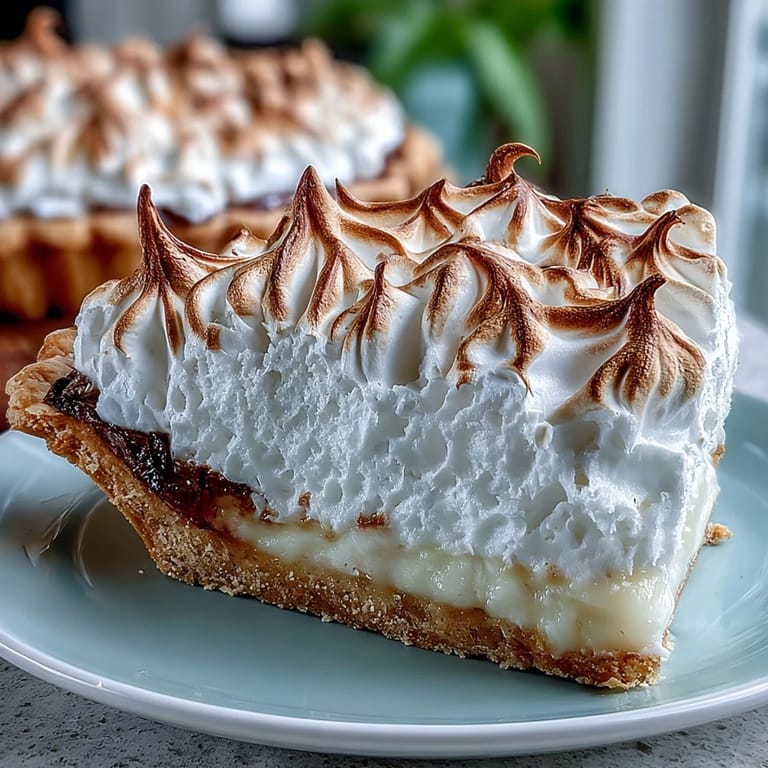
Save The first time I served this at a dinner party, someone asked if I'd bought it from a bakery. I laughed and said no, but inside I was glowing like the meringue under the broiler. That is the moment this pie went from experiment to signature dish, the one people request by name and remember long after the plates are cleared.
Getting the Meringue Right
Room temperature egg whites are your best friend here because they whip up faster and hold more air. I learned this after beating cold whites for ten minutes and getting nowhere. Make sure your bowl and beaters are spotless, because even a tiny bit of grease will keep the whites from reaching stiff peaks. When you add the sugar, do it gradually while the mixer is running, or the meringue will deflate and turn grainy instead of glossy.
Preventing a Soggy Bottom
Blind baking is essential, and I mean really baking it until the bottom is golden, not pale. If you are feeling extra cautious, brush the baked crust with a thin layer of beaten egg white before adding the filling; it creates a waterproof seal that keeps the crust crisp even after hours in the fridge. I started doing this after one too many pies turned out with a sad, soggy base, and it has been a game changer.
Serving and Storing
This pie is best after it has had time to chill and set, at least two hours but preferably overnight. Use a sharp knife dipped in hot water and wiped dry between slices for clean cuts that show off those beautiful layers. Leftovers keep in the fridge for up to three days, though the meringue will soften a bit over time.
- Serve with a dollop of lightly sweetened whipped cream if you want to gild the lily.
- A glass of chilled Riesling or Moscato balances the tartness beautifully.
- If the meringue weeps a little, do not panic; it still tastes incredible.
 Save
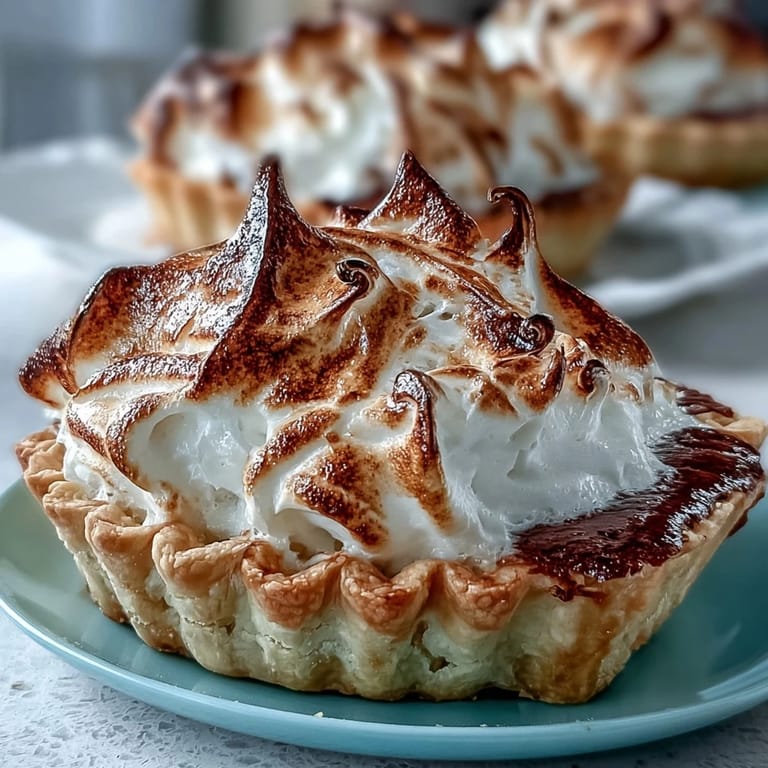
Save This pie has a way of turning an ordinary evening into an occasion, and every time I make it, I remember why I fell in love with baking in the first place. I hope it brings you as much joy as it has brought me.
Recipe FAQs
- → How do I prevent the meringue from weeping?
Spread the meringue over the warm filling while it's still hot, making sure to seal the edges completely to the crust. This helps prevent moisture from forming between layers and ensures the meringue stays fluffy.
- → Can I make the pie crust ahead of time?
Yes, you can prepare and bake the crust up to 2 days in advance. Store it covered at room temperature, then fill and top with meringue when ready to serve.
- → What's the best way to get clean slices?
Chill the pie for at least 2 hours before cutting. Use a sharp knife dipped in hot water and wiped clean between each slice for the neatest presentation.
- → Can I use bottled lemon juice instead of fresh?
Fresh lemon juice is highly recommended for the best flavor and tanginess. Bottled juice often has a flat taste and may contain preservatives that affect the filling's texture.
- → How long will the pie keep in the refrigerator?
The pie is best enjoyed within 2-3 days of baking. Store it covered in the refrigerator, though the meringue may soften slightly over time.
- → Why did my meringue shrink or pull away from the edges?
This happens when the meringue isn't sealed properly to the crust edges. Always spread it all the way to the edge and slightly over the crust rim before baking.