 Save
Save The first time I truly understood Omani Shuwa, I wasn't in a kitchen at all—I was sitting cross-legged on a carpet in Muscat, watching a family unwrap banana leaves that had been slow-cooking since dawn, steam rising like a benediction. The smell hit me first: warm spices, tender meat, and something earthy and ancient in the aroma. My host smiled and said this was how her grandmother fed twenty people with one cut of lamb, patience doing the work that fire alone could never accomplish. That afternoon taught me that Shuwa isn't just a dish; it's an act of trust in time itself.
Years later, I made this for a dinner party on a cold November evening, and the moment I unwrapped those banana leaves at the table, someone said it smelled like a story. That's when I realized why this dish has survived centuries—it's not trying to impress you with technique or flash, just pure, honest flavor built on spices and time. The quietness of that moment, everyone leaning in as the steam cleared, told me everything I needed to know about why food matters.
Ingredients
- Bone-in lamb shoulder or leg (2.5 kg): The bone keeps everything juicy and contributes deep flavor to the meat as it cooks; beef or goat work beautifully too if lamb isn't available.
- Garlic paste (4 tbsp): Fresh minced garlic melts into the meat and becomes nearly invisible, but you'll taste its warmth in every bite.
- Ginger paste (2 tbsp): This adds a subtle heat and brightness that keeps the spices from feeling heavy or one-dimensional.
- Ground coriander (2 tbsp): It's the backbone of the spice blend, giving everything a slightly sweet, warm foundation.
- Ground cumin (1.5 tbsp): Earthy and grounding, cumin ties all the other spices together into something that feels whole.
- Ground cinnamon (1 tbsp): A whisper of sweetness that makes people pause and wonder what they're tasting.
- Ground cardamom (1 tbsp): This is the secret ingredient; it adds complexity and a hint of floral warmth that elevates everything.
- Ground black pepper (1 tbsp): Don't skip or reduce this—the heat is essential for balance.
- Ground cloves (2 tsp): Use carefully; too much overwhelms, but the right amount adds an almost mysterious depth.
- Paprika (2 tsp): Gentle color and a soft peppery note without harshness.
- Turmeric (1 tsp): Anti-inflammatory and earthy, it ties to ancient healing traditions and adds golden warmth.
- Chili powder (2 tsp): Adjust this to your heat preference; it's the only ingredient that should bend to your taste.
- Salt (2 tsp): Taste as you go—your meat thickness and type will affect how much you actually need.
- White vinegar (1/4 cup): The acid keeps flavors bright and helps the marinade penetrate deep into the meat.
- Vegetable oil (1/4 cup): This carries the spices into the meat and keeps everything moist during the long cook.
- Lemon juice (from 2 lemons): Fresh citrus adds a floral note that you won't consciously notice but absolutely need.
- Banana leaves (4–6 large): They're not just for wrapping; they impart a subtle, authentic flavor that parchment simply can't replicate, though either works in a pinch.
- Kitchen twine or food-safe foil: Twine is traditional and feels right, but foil works if that's what you have.
Tired of Takeout? 🥡
Get 10 meals you can make faster than delivery arrives. Seriously.
One email. No spam. Unsubscribe anytime.
Instructions
- Build your spice foundation:
- In a large bowl, combine all the spices, pastes, vinegar, oil, and lemon juice, stirring until you have a thick, fragrant paste that looks almost alive. Smell it—really smell it—because you're about to transform how your meat tastes.
- Score and coat the meat:
- With a sharp knife, make deep cuts through the fat and into the meat itself, angling the blade so you create pockets where the marinade can hide. Rub the paste everywhere, forcing it into every cut with your fingers, the back of a spoon, whatever it takes to make sure every surface gets coated.
- Trust the waiting:
- Cover the bowl and refrigerate for at least 8 hours, though 24 is better if you can manage it. The spices need time to stop being separate ingredients and start becoming part of the meat itself. This is the hardest part, because you'll keep opening the fridge and it will smell impossibly good.
- Prepare your oven:
- Heat it to 160°C (320°F) about 30 minutes before you're ready to wrap and cook. This gentle temperature is the whole point—high heat would toughen the meat, but this slow warmth turns it into something you can eat with a spoon.
- Wrap with intention:
- Pat the banana leaves dry if they've gotten damp, then arrange them on your work surface overlapping slightly. Place the marinated meat in the center and wrap it like you're tucking a child into bed—snug but not strangled. Secure with twine, tying it around the length and width of the package, or wrap the whole thing in foil.
- Create the cooking environment:
- Place the wrapped meat in a deep roasting pan, cover it with a lid or lay a sheet of foil on top, and slide it into the oven. The covered pan traps steam, which is what makes the magic happen.
- Let time do its work:
- For 4 to 6 hours, the oven will do what an underground sand pit does—transform tough muscle into something that falls apart at the gentlest suggestion. Don't peek too often; every time you open the door you lose heat and patience.
- The grand reveal:
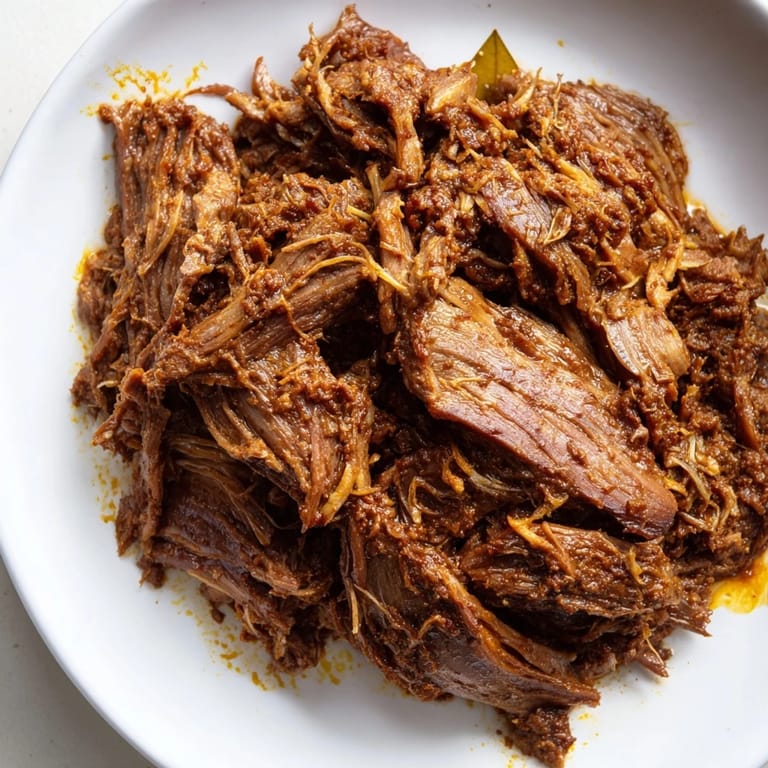
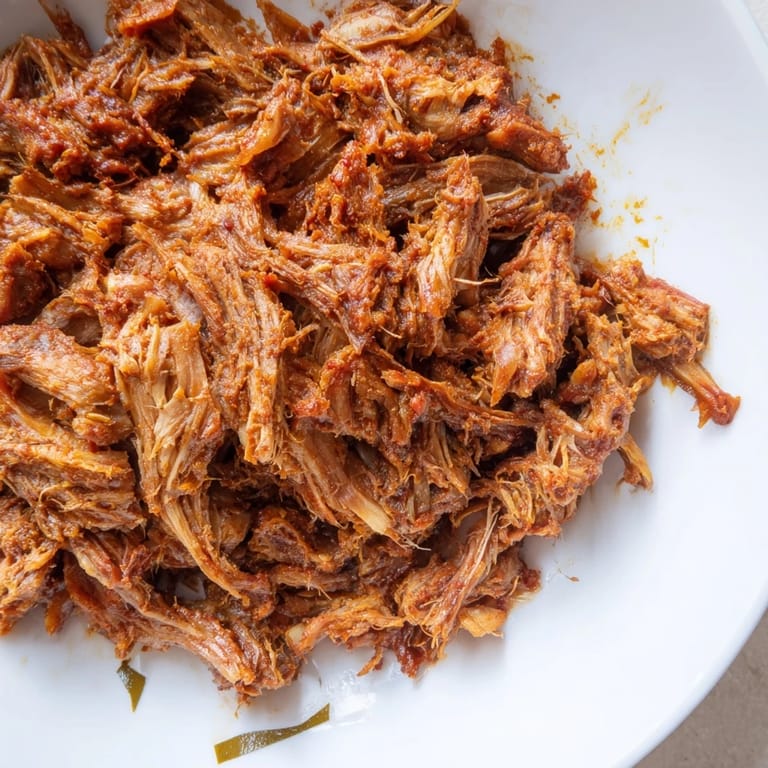
- When it's done, the meat should shred with barely any resistance from a fork. Carefully unwrap it (the steam can burn), and either shred it finely or cut it into generous pieces depending on your preference and how much you want it to look like celebration.
 Save
Save I remember my neighbor asking what I was cooking and smelling it from her driveway, then appearing at my door with her own family because the aroma had literally beckoned them over. We all sat down together, strangers brought close by this one dish, and I understood in that moment why Shuwa has fed Omani families for centuries—it's not just food, it's an invitation.
The Story Behind Shuwa
Shuwa belongs to Oman in the way certain songs belong to certain seasons. It's traditionally cooked in an underground earthen oven called a tandoor, where the meat rests in coals and banana leaves for the better part of a day, emerging tender enough to eat with bread alone. This oven method honors that tradition while bringing it into a home kitchen where the gentlest heat and a covered pan can approximate what the earth itself does. The spice blend isn't random—it's the result of centuries of trade routes, of merchants bringing cardamom and cloves from across the Indian Ocean, of a culture that learned to use spice not to mask but to awaken.
How to Serve Shuwa Like You Mean It
The meat is only half the story. Serve it on a bed of fragrant rice cooked with some of those precious pan juices, alongside a simple salad of tomatoes and cucumbers, and a bowl of cooling yogurt sauce that cuts through the richness. Fresh flatbread is essential—whether it's naan, pita, or store-bought varieties, something soft to wrap around the meat and soak up every last bit of spiced goodness. Some families add a tart mango pickle, others prefer simple lemon wedges, but the principle is the same: let the meat be the star, and give people tools to enjoy it however they wish.
Variations and Small Moments
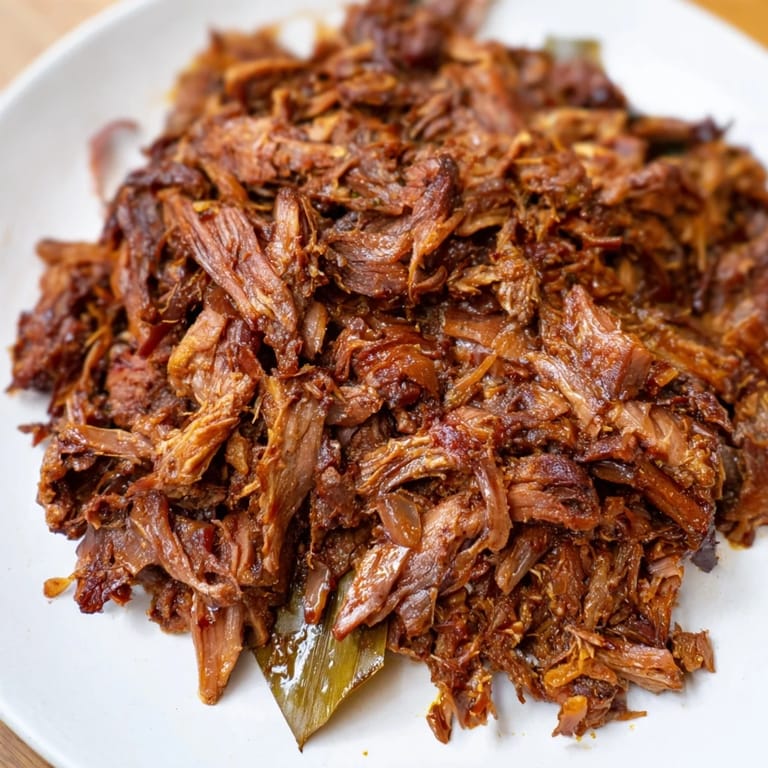
I've made this with goat meat when lamb was hard to find, and it was even more delicate and elegant. I've added a handful of dried lime (loomi) to the marinade when I found them at a spice market, and it added a subtle sourness that made everything sing. I've even briefly grilled the unwrapped meat under the broiler before serving, just for a few minutes, to give it a little char and smoke—something you'd get more easily if you lived somewhere with access to a proper sand oven. The beauty of this dish is that it's forgiving; it bends to what you have and who you're cooking for, and the results are always extraordinary.
- If banana leaves feel too exotic, high-quality parchment paper wrapped in foil works perfectly fine and won't change the flavor materially.
- Make this dish a day ahead if you want to—it actually tastes better the next day when the spices have settled into the meat fully, and you can simply reheat it gently.
- Double the recipe without hesitation; it freezes beautifully and tastes magnificent for months if wrapped properly.
 Save
Save Shuwa is the kind of dish that makes you feel like you're part of something larger than yourself, like you're honoring a tradition while creating your own small memory. Make it for people you love, and watch how something as simple as patience and spice brings everyone a little closer.
Recipe FAQs
- → What cut of meat is best for Omani Shuwa?
Bone-in lamb shoulder or leg provides the ideal balance of flavor and tenderness after long cooking.
- → Can I substitute banana leaves if unavailable?
Parchment paper or foil can be used, but banana leaves help impart a subtle, authentic aroma.
- → How long should the meat marinate for optimal flavor?
Marinating between 8 to 24 hours allows the spices to deeply penetrate the meat.
- → What temperature is recommended for slow roasting Shuwa?
Maintain a low oven heat around 160°C (320°F) to slowly tenderize the meat over 4 to 6 hours.
- → Are there traditional accompaniments to Shuwa?
It is commonly served with spiced rice, salad, and yogurt sauce to complement its rich flavors.
- → Can other meats be used in place of lamb?
Beef or goat can be substituted depending on preference, adapting marinating and cooking times as needed.