 Save
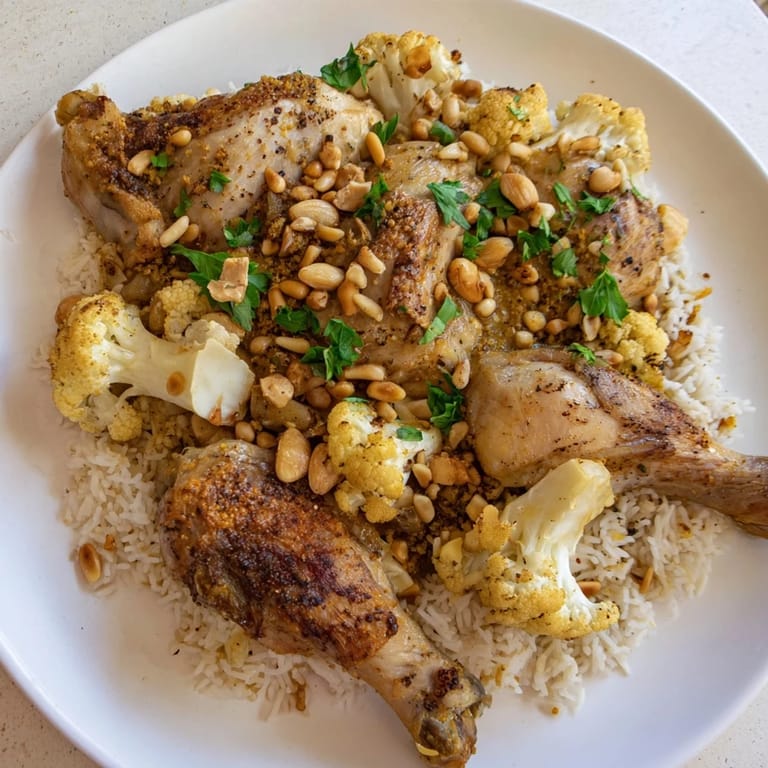
Save The first time I watched maklouba being made, I stood in a cramped Ramallah kitchen while my neighbor flipped an enormous pot onto a platter with the confidence of someone who'd done it a thousand times. The rice tumbled out in a perfect golden dome, studded with caramelized potatoes and tender chicken, and I understood immediately why this dish had survived generations—it's equal parts practical magic and pure comfort. Now whenever I make it, that moment of suspense before the inversion still makes my heart race a little.
I made this for my in-laws on a cold winter evening, nervous they'd judge my version against whatever versions they'd grown up with. But as everyone took their first bites, the table went quiet in that specific way that means food is speaking louder than conversation. My mother-in-law asked for the recipe the next morning, and I realized that's when I knew I'd gotten it right.
Ingredients
- Bone-in chicken pieces (1.2 kg): The bones release collagen into the broth, creating a silky, deeply flavored base that boneless chicken simply can't match.
- Basmati rice (2 cups): The long, delicate grains stay separate and fluffy rather than turning mushy, which is crucial when everything's layered together.
- Cauliflower (1 large head): Frying it first creates pockets of crispy, golden edges that provide texture contrast and a subtle nutty sweetness.
- Potatoes (2 medium): Sliced thin and fried until golden, they become crispy-edged vessels that soak up the fragrant broth.
- Onion (1 large): Sautéed until translucent, it dissolves into the spice base and becomes the invisible foundation of flavor.
- Cumin, coriander, cinnamon, turmeric, allspice, cardamom (as listed): This blend is the soul of the dish—don't skip any, as each spice plays a specific role in the warm, slightly sweet warmth that defines maklouba.
- Chicken stock or water (5 cups): Fresh homemade stock deepens the flavor significantly, though water works perfectly well if that's what you have.
- Pine nuts or slivered almonds (¼ cup): Toasted and scattered on top, they add a luxurious crunch and subtle richness that feels celebratory.
Tired of Takeout? 🥡
Get 10 meals you can make faster than delivery arrives. Seriously.
One email. No spam. Unsubscribe anytime.
Instructions
- Soak the rice:
- Rinse your rice under cold water until the water runs mostly clear, then cover it with cold water and salt for 30 minutes. This removes excess starch and helps each grain cook separately instead of clumping together. It's a small step that makes a noticeable difference.
- Brown the chicken:
- Heat your olive oil until it shimmers, then season the chicken pieces generously and let them sear without moving them around. You want a deep golden crust that looks almost caramelized—this takes about 3 minutes per side and is where real flavor begins.
- Build the spice base:
- After the chicken rests, sauté your sliced onion until it's soft and just starting to turn golden at the edges. Add all your spices at once and stir constantly for about a minute—the heat will wake them up and release their fragrant oils into the oil. The kitchen should smell almost heady at this point.
- Simmer the chicken:
- Return the chicken to the pot, pour in your stock, and let it bubble gently for about 20 minutes. The chicken doesn't need to be fully cooked yet; you're just infusing it with flavor and creating a rich, spiced broth that will cook the rice later.
- Fry the vegetables:
- While the chicken simmers, heat a separate pan with vegetable oil and fry your cauliflower florets and potato slices in batches. Don't crowd the pan—each piece needs space to turn golden and crispy. The oil should be hot enough that they sizzle immediately when they hit it.
- Assemble the layers:
- In your large, heavy pot, create your layers: potatoes on the bottom, then chicken, then cauliflower, and finally the drained rice on top. Press gently as you go, but don't pack it so tightly that steam can't move through the layers. Each layer matters.
- Cook with broth:
- Pour your reserved broth over the rice until it's just covered—the rice will absorb it as it cooks and shouldn't be swimming in liquid. Once the edges start bubbling, lower the heat to low and cover the pot tightly with a lid. The next 35 to 40 minutes are hands-off; resist the urge to peek.
- Rest and invert:
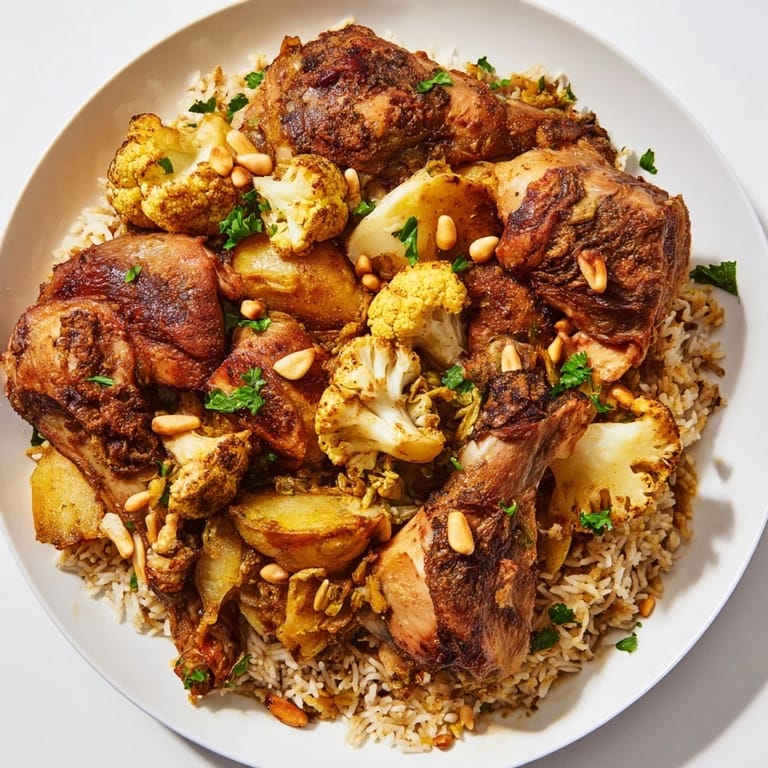
- After cooking, let the pot rest for 10 to 15 minutes with the heat off. This allows everything to settle and makes the inversion easier. Place your serving platter over the pot, take a breath, and in one confident motion, flip the entire pot over and lift it away—the maklouba should slide right out in one glorious mound.
 Save
Save My favorite maklouba memory isn't the perfect ones—it's the night my toddler grabbed the platter mid-flip and we all held our breath as it somehow landed upright anyway, rice still intact, everyone laughing like we'd just pulled off a heist. That's when maklouba stopped being just a recipe and became part of our story.
The Magic of Layering
There's something deeply satisfying about the logic of maklouba's construction. The potatoes on the bottom become slightly chewy from the broth, creating a base that holds everything together when inverted. The chicken in the middle continues absorbing the spiced broth, growing more tender with each minute. The cauliflower floats in the middle, its fried edges staying crispy even as the inside softens slightly. And the rice on top gradually absorbs all the flavors that have been building below it. By the time you invert the pot, all these layers have become one unified, deeply flavored dish.
Spice Proportions and Personal Preference
These spice measurements are a guide, not a law. Some families lean heavily into the warmth of cinnamon and cardamom, while others prefer the earthiness of cumin and coriander to dominate. I've had maklouba at tables where you could barely taste the cinnamon, and others where it sang like the lead vocalist. Start with the recipe as written, then adjust next time based on what your palate remembers wanting more of.
Serving and Storage
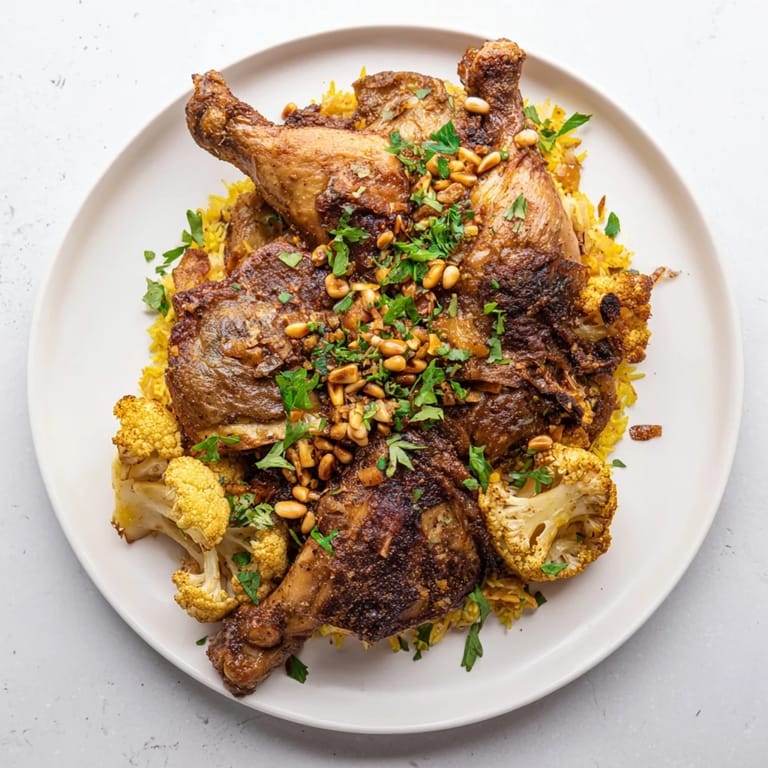
Maklouba is best served within an hour or two of cooking, while the layers still have some structural integrity and the rice retains its warmth. Leftovers reheat beautifully in a covered pot over gentle heat, and honestly, the flavors deepen slightly as they sit together overnight. It's a dish that somehow tastes even better the next day when you've had time to think about it.
- Serve with plain yogurt on the side—the cool creaminess balances the warm spice perfectly.
- A crisp salad with lemon juice cuts through the richness and refreshes the palate between bites.
- If you have any, scattered fresh herbs like parsley or mint at the last moment add brightness without changing the essential character of the dish.
 Save
Save Making maklouba is less about following instructions perfectly and more about understanding why each step exists and trusting that the dish will take care of itself once you've done the groundwork. The moment you flip that pot and see what you've created is worth every bit of the effort.
Recipe FAQs
- → What ingredients give maklouba its distinct flavor?
Spices like cumin, coriander, cinnamon, turmeric, allspice, and cardamom combined with chicken stock create maklouba's rich aroma and taste.
- → How do you achieve the layered presentation?
By frying vegetables separately and layering potatoes, chicken, cauliflower, then rice in a heavy pot before slow cooking and careful inversion.
- → Can maklouba be made without chicken?
Yes, you can omit chicken and use vegetable stock, adding extra vegetables like eggplant or carrots for variation.
- → What is the purpose of soaking the rice before cooking?
Soaking basmati rice with salt helps remove excess starch, ensuring fluffy, separate grains in the final dish.
- → Why is the pot inverted after cooking?
Inverting unmolds the layers onto a serving platter, creating a visually striking and organized presentation typical of the dish.