 Save
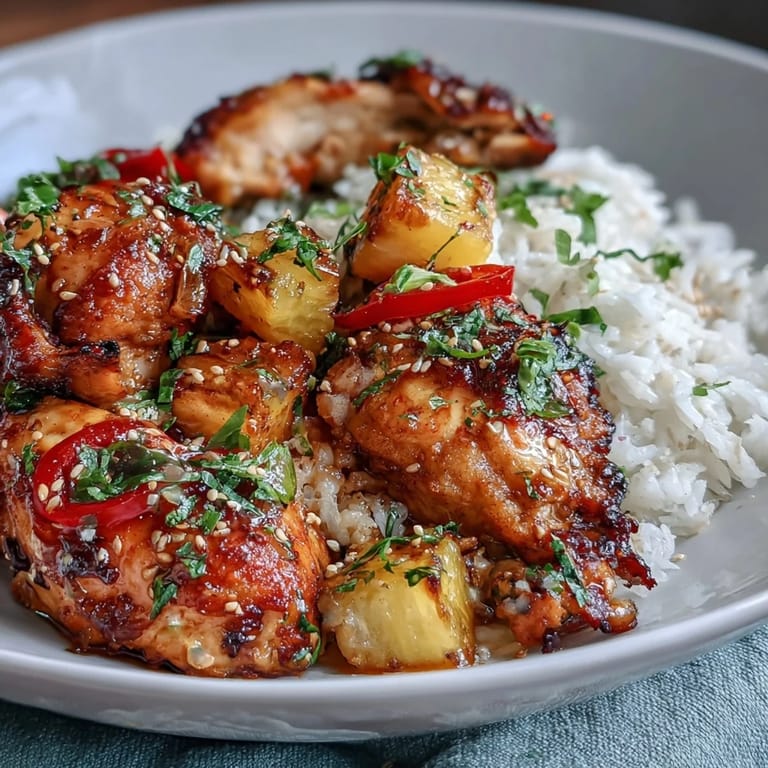
Save There's something magical about the moment when sweet meets savory in a single pan, and this pineapple chicken skillet does exactly that. I discovered this dish on a Tuesday evening when my fridge was running low and I had a craving for something bright and warming at the same time. What started as an improvised dinner became the meal I now make whenever I want to feel like I've traveled somewhere tropical without leaving my kitchen. The combination of caramelized chicken, tender rice soaking up all those golden juices, and chunks of pineapple that add both sweetness and tang feels indulgent but comes together in less than an hour.
I'll never forget cooking this for my friend Marcus on a cold January night when he was going through a rough patch. He walked into my kitchen just as the aroma hit—that blend of soy sauce, sesame oil, and caramelizing pineapple—and something shifted in his face. By the time we sat down to eat, he was actually smiling, genuinely present for the first time in weeks. Sometimes food isn't just sustenance; it's a quiet way of saying you care.
Ingredients
- Boneless, skinless chicken breast or thighs (1 lb): Thighs stay juicier if you're not careful with timing, but breasts work beautifully if you don't overcook them past that five-minute sear.
- Long-grain white rice (1 cup, rinsed): Rinsing removes excess starch so your rice stays fluffy instead of gummy—this small step genuinely matters.
- Red and yellow bell peppers: These add visual joy and a subtle sweetness that complements the pineapple without competing with it.
- Fresh pineapple chunks (1 cup): Fresh tastes brighter than canned, but canned works in a pinch if you drain it well.
- Yellow onion and garlic (1 small onion, 2 cloves): These form the aromatic base that makes everything taste intentional rather than thrown together.
- Low-sodium soy sauce (1/4 cup): Low-sodium lets the other flavors shine instead of making the dish oversalty and one-dimensional.
- Pineapple juice (1/4 cup): This deepens the tropical note and binds the sauce together with natural sweetness.
- Honey or brown sugar (2 tbsp): Choose based on mood—honey feels lighter, brown sugar adds molasses depth.
- Rice vinegar (1 tbsp): A splash of acidity brightens everything and prevents the dish from tasting too heavy.
- Sesame oil (1 tsp): Just a teaspoon gives you that nutty, aromatic quality that whispers Asian-inspired without shouting.
- Vegetable oil (2 tbsp total): Use for searing and sautéing; it won't compete with your other flavors.
- Chicken broth (2 cups): Low-sodium preferred so you control the salt level throughout.
Tired of Takeout? 🥡
Get 10 meals you can make faster than delivery arrives. Seriously.
One email. No spam. Unsubscribe anytime.
Instructions
- Sear your chicken until golden:
- Heat 1 tablespoon of oil in your skillet over medium-high heat until it shimmers. Add chicken pieces with a light sprinkle of salt and pepper, and let them sit undisturbed for a couple of minutes—you want that caramelized crust, not a pale surface. After about five minutes total, they should have color on multiple sides.
- Build your flavor base:
- Add the remaining oil, then sauté your diced onion and minced garlic for two minutes until fragrant and just starting to soften. Toss in your bell pepper strips and cook for another three to four minutes; you want them tender but not limp.
- Toast the rice:
- Add your rinsed rice to the pan with the vegetables and give it a good stir for about one minute. This toasting step coats each grain and prevents mushiness later on.
- Mix your sauce and return the chicken:
- In a separate bowl, whisk together soy sauce, pineapple juice, honey, rice vinegar, sesame oil, and black pepper. Pour this mixture over the rice and vegetables, then return your seared chicken to the pan.
- Add liquid and simmer:
- Pour in your chicken broth and scatter the pineapple chunks throughout. Bring everything to a boil, then reduce heat to low, cover your skillet, and let it simmer undisturbed for eighteen to twenty minutes until the rice is tender and the liquid has been absorbed.
- Finish and serve:
- If you like a thicker sauce, stir in the optional cornstarch slurry and cook for one to two minutes. Gently fluff the rice with a fork, garnish generously with sliced green onions, and serve while everything is still hot and fragrant.
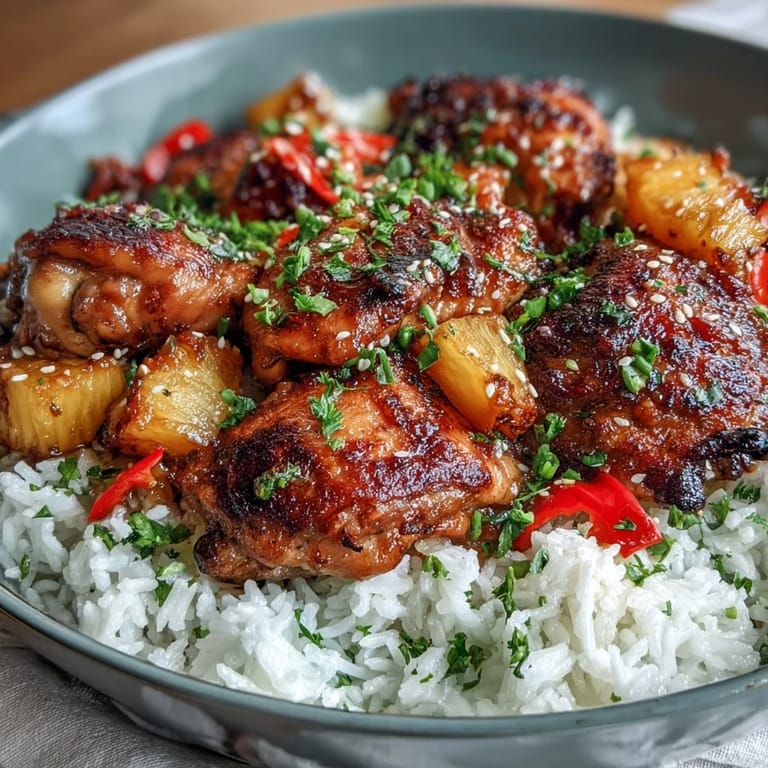 Save
Save There was a moment last spring when my eight-year-old nephew tried this dish and asked me to teach him how to make it. Watching him carefully arrange the bell pepper strips and hearing him say the pineapple chunks smelled like summer made me realize this recipe had become something bigger than a weeknight dinner—it's become a bridge between generations in my kitchen.
When to Serve This Dish
This skillet shines on nights when you want something that feels special without requiring hours of prep or cleanup. It's casual enough for a regular Tuesday but impressive enough to serve to guests who might be surprised by how thoughtfully balanced the flavors are. I've made it for lazy weekend lunches, potlucks, and even a small dinner party where everyone asked for the recipe before dessert arrived.
Variations That Work
Once you understand how this dish works, you can play with it endlessly. Brown rice takes longer to cook and has a nuttier texture that pairs beautifully with the tropical elements, though you'll need to increase your broth and simmering time. Add snap peas, carrots, or broccoli if you want more vegetables, and don't be shy about adjusting the sweetness if you prefer less honey or more of that pineapple tang.
For heat lovers, a half teaspoon of crushed red pepper flakes or a sliced fresh chili added with the garlic transforms this into something with a gentle kick. If you're cooking for someone who avoids gluten, swap in tamari or a certified gluten-free soy sauce without changing a single other ingredient.
How to Make It Feel Restaurant-Quality
The secret isn't fancy ingredients or complicated techniques—it's respecting each component and not rushing. Let your chicken develop a proper crust, toast your rice until it's lightly golden, and whisk your sauce together before adding it so the flavors are balanced. The cornstarch slurry at the end isn't essential, but it transforms the sauce from thin and brothy to silky and luxurious, which honestly changes how the whole dish feels when it lands on the plate.
- Serve this with a light Riesling or Sauvignon Blanc if you want a pairing that echoes the tropical notes without competing for attention.
- Fluff the rice gently with a fork instead of stirring aggressively; you want distinct grains that catch the light, not a compacted mound.
- Taste before serving and adjust salt and vinegar to your preference—these are forgiving elements that let you make the dish exactly yours.
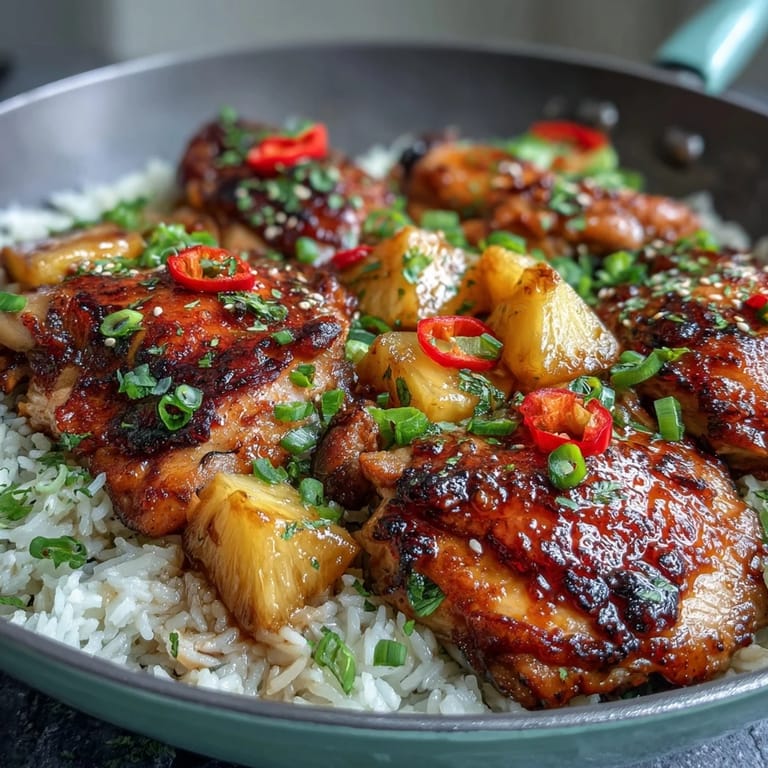 Save
Save This one-pan wonder has become my go-to when I want to feel like I've cooked something intentional without spending my whole evening in the kitchen. Every time I make it, I'm reminded that the best meals are the ones that come together with ease and land on the table still steaming with possibility.
Recipe FAQs
- → What type of chicken works best for this skillet?
Boneless, skinless chicken breasts or thighs cut into bite-sized pieces both work well for even cooking and tenderness.
- → Can I use a different type of rice?
Long-grain white rice is preferred for its fluffiness, but brown rice can be used with extra liquid and longer cooking time.
- → How can I thicken the sauce if needed?
Mix cornstarch with water to create a slurry and stir it into the skillet towards the end of cooking to thicken the sauce.
- → What vegetables complement this dish well?
Bell peppers provide sweetness and crunch, but snap peas, carrots, or broccoli can be added for extra texture and color.
- → Is there a way to add some heat to the flavors?
Adding crushed red pepper flakes or a sliced chili with the garlic in the early cooking stage adds a gentle spicy kick.