 Save
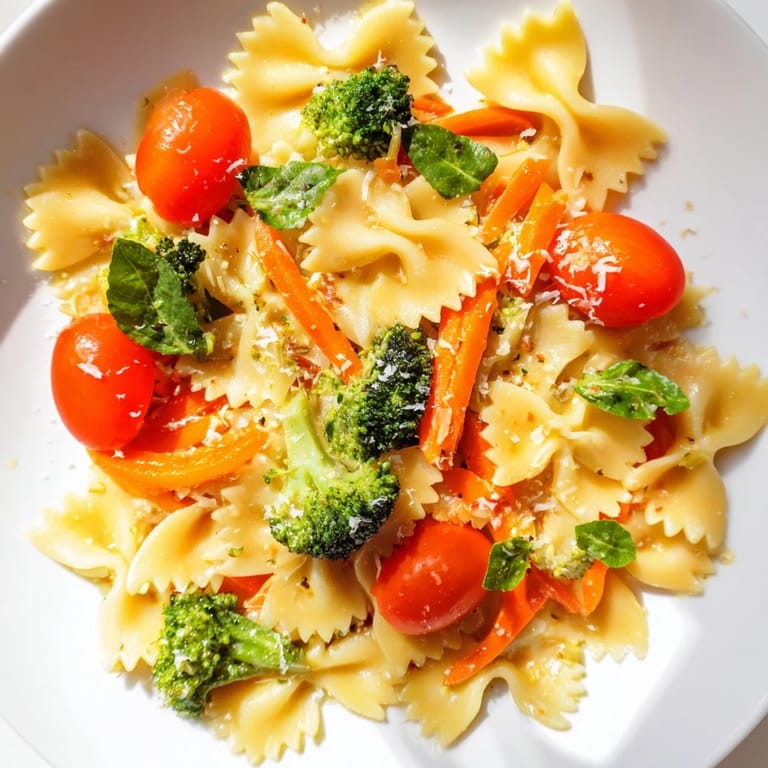
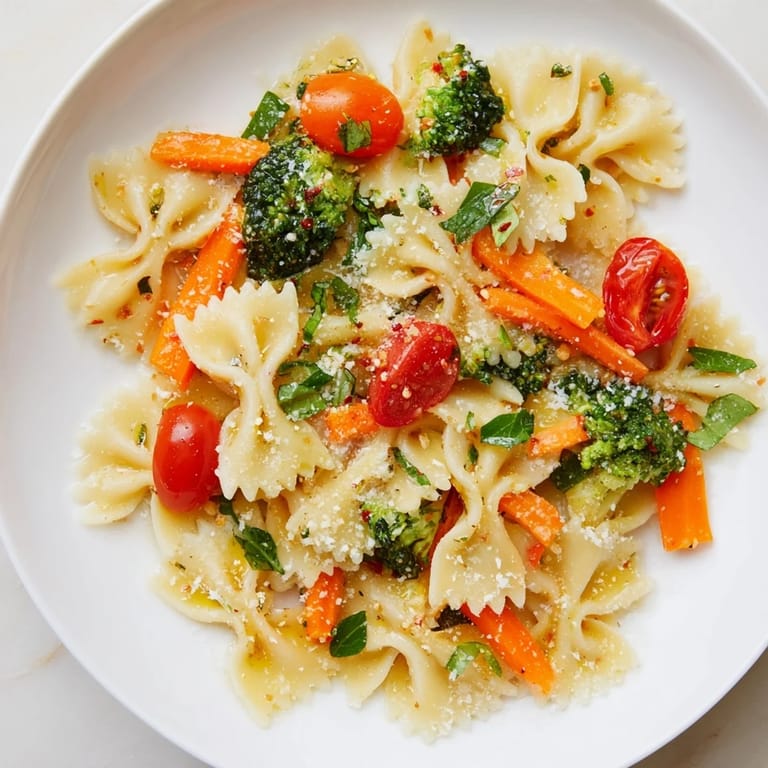
Save My neighbor showed up at my door one April afternoon with a basket overflowing with vegetables from her garden, more than she could use. I stood there holding asparagus, squash, and peppers, wondering how to honor all that color without letting anything go to waste. That evening, I boiled a box of farfalle and let the vegetables speak for themselves with just garlic, olive oil, and lemon. The kitchen smelled like spring had moved in, and I realized I'd been overthinking dinner for years.
I made this for my sister when she visited during her first trimester, back when she could barely stomach anything heavy. She sat at the counter picking out the cherry tomatoes first, then the peas, then finally trying the pasta itself. By the end, her plate was empty and she asked if I could teach her to make it before she left. We stood side by side the next night, her chopping vegetables while I boiled water, and it became one of those recipes that meant more than just food.
Ingredients
- Bow-tie pasta (340 g): Farfalle holds onto the vegetables beautifully in its folds, and its shape makes every forkful feel intentional and complete.
- Cherry tomatoes (1 cup, halved): These burst into little pockets of sweetness when warmed, adding acidity that balances the richness of olive oil.
- Asparagus (1 cup, cut into 1-inch pieces): Trim the woody ends before cutting, and they'll cook quickly while staying just crisp enough to snap between your teeth.
- Red bell pepper (1 cup, thinly sliced): Slice these thin so they soften without losing their vibrant color or slight crunch.
- Yellow squash (1 cup, sliced into half-moons): This adds a mild sweetness and soaks up the garlic oil like a sponge, making every bite feel luxurious.
- Broccoli florets (1 cup): Cut them small so they cook at the same rate as everything else and don't dominate the dish.
- Carrots (1 cup, julienned): Thin strips cook faster and add a slight crunch that contrasts nicely with the softer vegetables.
- Red onion (1/2 cup, thinly sliced): The sharpness mellows as it cooks, leaving behind a subtle sweetness that ties everything together.
- Frozen peas (1/2 cup): No need to thaw them, they warm up in seconds and add little bursts of green sweetness throughout.
- Extra-virgin olive oil (3 tbsp): This is your sauce base, so use one you'd actually want to taste on its own.
- Garlic (3 cloves, minced): Fresh garlic blooms in hot oil and perfumes the entire dish, so don't skip this or use the jarred stuff.
- Crushed red pepper flakes (1/2 tsp, optional): Just a pinch adds a gentle warmth without making anyone reach for water.
- Sea salt (1/2 tsp, plus more): Season as you go, tasting at each stage so nothing ends up bland.
- Black pepper (1/4 tsp, freshly ground): Freshly cracked pepper has a brightness that pre-ground versions lose after sitting on the shelf.
- Lemon zest (from 1 lemon): The zest carries all the fragrant oils and makes the whole dish smell like sunshine.
- Fresh lemon juice (2 tbsp): This cuts through the oil and brings all the flavors into focus at the very end.
- Parmesan cheese (1/4 cup, grated, optional): A little goes a long way, adding a salty, nutty finish that clings to the pasta.
- Fresh basil (2 tbsp, chopped): Tear or chop this at the last second so it stays bright green and aromatic.
- Fresh parsley (2 tbsp, chopped): This adds a fresh, grassy note that wakes up the whole plate right before serving.
Tired of Takeout? 🥡
Get 10 meals you can make faster than delivery arrives. Seriously.
One email. No spam. Unsubscribe anytime.
Instructions
- Boil the pasta:
- Bring a large pot of salted water to a rolling boil, then add the farfalle and cook until it still has a slight bite in the center. Before draining, scoop out half a cup of the starchy pasta water and set it aside, it will help the sauce cling later.
- Start the garlic base:
- While the pasta bubbles away, heat 2 tablespoons of olive oil in a large skillet over medium heat until it shimmers. Add the minced garlic and red pepper flakes, stirring constantly for about a minute until the garlic turns golden and the kitchen smells incredible.
- Cook the sturdy vegetables first:
- Toss in the carrots, broccoli, and asparagus, stirring occasionally for 3 to 4 minutes. They should start to soften but still hold their shape and color.
- Add the softer vegetables:
- Stir in the red onion, bell pepper, yellow squash, and a pinch of salt, cooking another 3 to 4 minutes. Everything should be just tender but still bright and not mushy.
- Finish with tomatoes and peas:
- Add the cherry tomatoes and frozen peas, stirring gently for about 2 minutes until the tomatoes start to soften and the peas are warmed through. The tomatoes will release a little juice that becomes part of the sauce.
- Toss everything together:
- Add the drained pasta to the skillet along with the remaining tablespoon of olive oil, lemon zest, and lemon juice. Toss everything together, adding splashes of reserved pasta water until the sauce coats every piece of pasta and vegetable in a silky sheen.
- Season and garnish:
- Taste and add more salt and black pepper as needed, then remove from heat. Toss with Parmesan, fresh basil, and parsley, letting the herbs wilt slightly from the residual heat.
- Serve immediately:
- Divide among plates or bowls and finish with extra herbs and cheese if desired. This tastes best when it's still steaming and the colors are at their brightest.
 Save
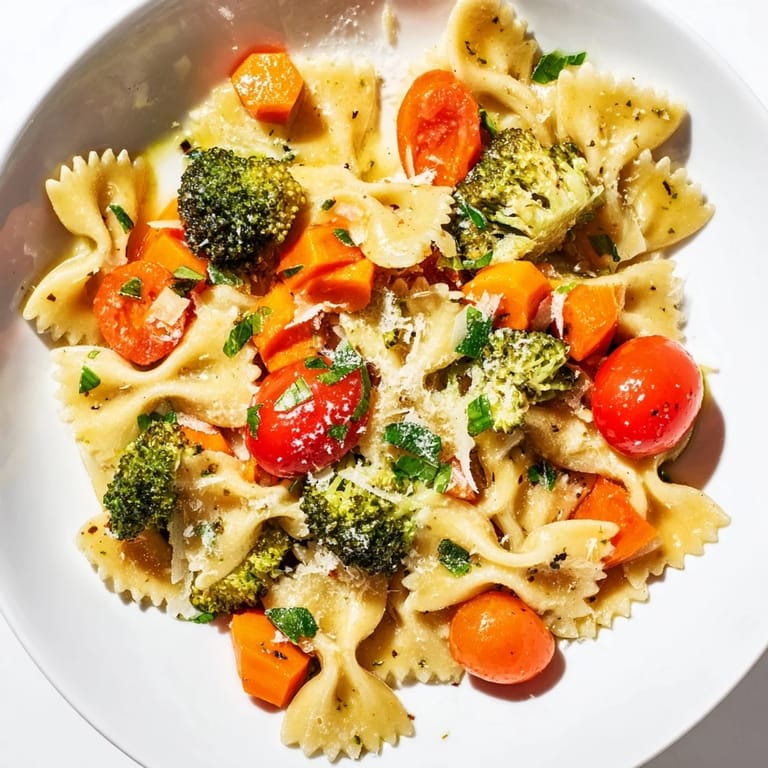
Save One evening, I served this to a friend who insisted she didn't like vegetables unless they were hidden in something. She took one bite, paused, then went back for another, and by the end of the night she was writing down the recipe on a napkin. It wasn't that I'd tricked her into eating healthy, it was that the vegetables actually tasted good on their own. That's when I realized this dish wasn't just about using up what's in the fridge, it was about letting simple ingredients be enough.
What to Do with Leftovers
This reheats surprisingly well if you add a splash of water or olive oil to loosen it up in the pan. I've also eaten it cold straight from the fridge, and the lemon and garlic flavors actually get stronger overnight. Sometimes I'll toss in a handful of arugula or spinach when reheating, and the greens wilt right into the pasta. If the vegetables have softened too much, a sprinkle of fresh herbs and a squeeze of lemon can bring everything back to life.
How to Make It Your Own
Once you get the technique down, you can swap in whatever vegetables you have on hand or whatever looks good at the market. I've used zucchini, snap peas, green beans, and even thinly sliced fennel with great results. If you want more protein, grilled chicken, shrimp, or even chickpeas work beautifully without weighing down the dish. Some people like to add a splash of white wine when they sauté the garlic, and it does add a nice depth, but it's absolutely not necessary.
Pairing and Serving Ideas
This pairs beautifully with a crisp white wine like Sauvignon Blanc or Pinot Grigio, something that echoes the brightness of the lemon. If you're serving it for a crowd, set out extra Parmesan, red pepper flakes, and fresh herbs so people can adjust their plates to their taste. A simple green salad with a lemon vinaigrette and some crusty bread on the side is all you need to round out the meal.
- Serve it warm for dinner or let it cool slightly for a pasta salad at a picnic.
- Double the recipe if you're feeding more than four, it scales up easily and tastes even better the next day.
- Keep a batch of this in the fridge for quick lunches, it's one of those dishes that makes you feel good about eating leftovers.
 Save
Save This is the kind of recipe that makes cooking feel easy again, the kind you can make on a Wednesday without thinking too hard. I hope it fills your kitchen with color and your table with good conversation.
Recipe FAQs
- → Can I prepare this dish ahead of time?
While best served fresh, you can prep the vegetables in advance and store them in the refrigerator. Cook the pasta and combine everything just before serving to maintain the vibrant texture and flavor of the vegetables.
- → What vegetables can I substitute?
This dish is highly adaptable. Use zucchini, snap peas, green beans, mushrooms, or spinach based on what's available and in season. The goal is to maintain color and texture contrast throughout.
- → How do I make this vegan?
Simply omit the Parmesan cheese or use a plant-based alternative. The olive oil and lemon sauce is naturally vegan, making this an easy adaptation for plant-based diets.
- → What is the purpose of reserving pasta water?
Pasta water contains starch that helps create a silky, cohesive sauce by emulsifying the olive oil. It prevents the finished dish from being too dry and helps the sauce cling beautifully to the pasta.
- → Can I make this gluten-free?
Yes, simply use certified gluten-free pasta in place of regular bow-tie pasta. The cooking method and all other ingredients remain the same, ensuring you don't miss out on this vibrant spring dish.
- → What wine pairs well with this dish?
A crisp Sauvignon Blanc or Pinot Grigio complements the fresh vegetables and bright lemon flavors beautifully. These white wines provide acidity that enhances the overall freshness of the dish.