 Save
Save My neighbor knocked on the door one October evening with an armful of vegetables from her garden—carrots still dusty with soil, bell peppers so red they seemed to glow. She mentioned roasting them first, which I'd never done for soup before, and that single suggestion changed everything. The kitchen filled with this incredible caramelized sweetness as they turned golden in the oven, and when I finally blended them into broth, the soup tasted nothing like the watery vegetable soups I'd made for years. It became something I crave now, especially when the air turns crisp.
Last winter I made this for a friend who was feeling under the weather, and she called me a week later just to ask how I made it—apparently she'd been craving it ever since. There's something about a homemade vegetable soup that feels like actual care in a bowl, not just sustenance. That moment taught me that simple food made with intention hits differently than anything fancy.
Ingredients
- Carrots: Two medium ones peeled and chopped become almost candy-like when roasted, bringing natural sweetness to the base.
- Sweet potato: This diced medium potato adds creaminess and body without needing any dairy.
- Red bell pepper: Seeded and chopped, it brings brightness and a subtle sweetness that rounds out the earthier vegetables.
- Zucchini: One chopped zucchini keeps things light and adds volume without overwhelming other flavors.
- Red onion: Peeled and quartered, it caramelizes beautifully and provides a savory depth.
- Garlic: Just two peeled cloves become mellow and sweet once roasted, adding sophistication.
- Olive oil: Two tablespoons for roasting helps vegetables brown and creates that essential caramelization.
- Vegetable broth: Four cups forms the silky base—use the best quality you can find since it's the main supporting flavor.
- Dried thyme and rosemary: One teaspoon each brings herbal warmth that tastes like home.
- Smoked paprika: Just half a teaspoon adds a whisper of smoke that makes people wonder what your secret is.
- Salt and black pepper: Season to your taste at the end when you can actually taste what you've created.
- Fresh parsley: Two tablespoons chopped brings freshness as a garnish.
- Extra virgin olive oil: A final drizzle adds richness and reminds you this is a treat.
- Croutons or toasted seeds: Optional but they add texture that makes each spoonful interesting.
Tired of Takeout? 🥡
Get 10 meals you can make faster than delivery arrives. Seriously.
One email. No spam. Unsubscribe anytime.
Instructions
- Heat your oven and prep:
- Set the oven to 425°F and line a baking sheet with parchment paper so nothing sticks and cleanup is easy. This temperature is hot enough to caramelize the vegetables beautifully but won't burn them if you turn them halfway.
- Arrange and season:
- Spread all your chopped vegetables and garlic cloves across the sheet, drizzle with olive oil, and toss until everything glistens. Sprinkle the thyme, rosemary, smoked paprika, salt, and pepper over top, making sure each piece gets seasoned.
- Roast until golden:
- Put the sheet in the oven for 30 to 35 minutes, stirring halfway through so everything roasts evenly. You'll know it's ready when the edges are caramelized and golden and the vegetables are completely tender.
- Build your soup:
- Transfer all the roasted vegetables into a large pot, pour in the vegetable broth, and bring everything to a simmer over medium heat. Let it bubble gently for about 10 minutes so the flavors get to know each other.
- Blend until silky:
- Using an immersion blender, purée the soup right in the pot until it's completely smooth and velvety. If you prefer a countertop blender, work in batches and be careful with the hot liquid.
- Taste and finish:
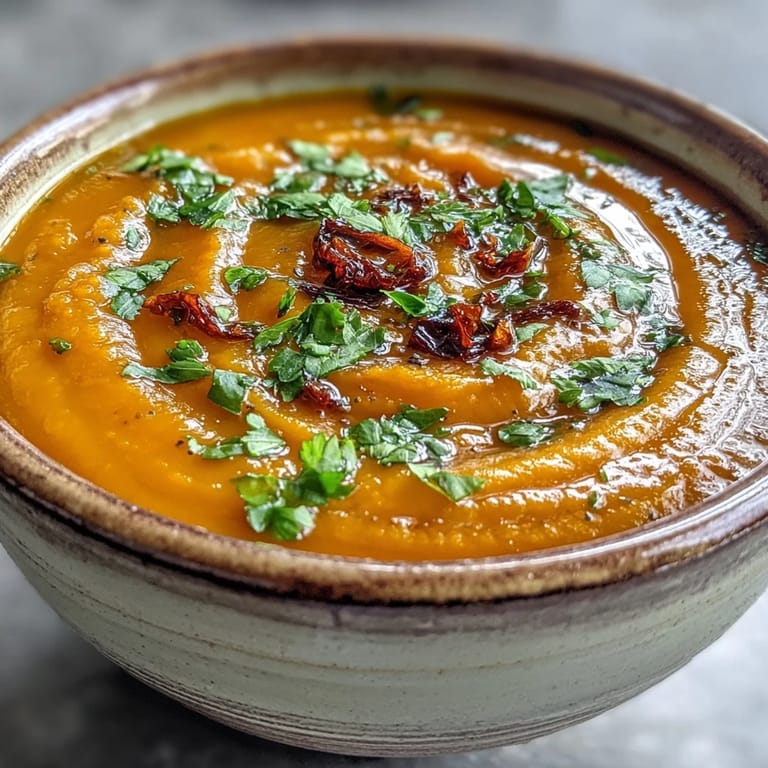
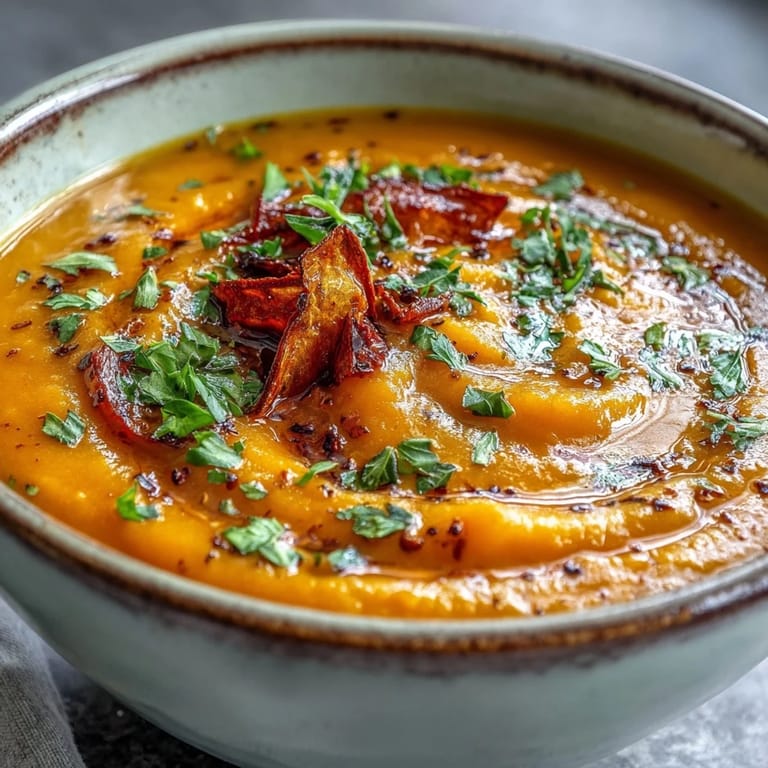
- Ladle the soup into bowls and taste it—adjust salt and pepper if needed. Top with fresh parsley, a drizzle of extra virgin olive oil, and croutons or toasted seeds if you like that bit of crunch.
 Save
Save There's a quiet moment that happens when you're standing over a pot of soup you've made from scratch, steam rising up and fogging your glasses, and you realize you've created something nourishing and real. That's when this soup stops being a recipe and becomes proof that you took care of yourself and anyone you share it with.
When to Make This
I reach for this soup when the weather shifts cool and I want something warm but not heavy. It's perfect as a weeknight dinner with crusty bread, or as an elegant first course when you're having people over and want something that tastes more sophisticated than the effort requires. Fall and winter are obviously the seasons, but honestly, I've made it in summer too when I found beautiful vegetables at the market and craved something comforting.
Making It Your Own
The beauty of this soup is that it's more of a template than a strict recipe. I've added parsnips when I had them, swapped in butternut squash, thrown in leeks, and it's been wonderful every time. The key is keeping that roasting step and not overthinking the rest—seasonal vegetables you actually have access to will always taste better than forcing yourself to hunt down a specific ingredient.
Storage and Reheating Tips
Make this ahead without guilt—it actually tastes better the next day after the flavors have settled and married together. I store it in the fridge for up to three days in glass containers, and it reheats beautifully on the stovetop over medium heat with a splash of water or broth if it's thickened too much. You can also freeze it for about a month, which means you can have autumn in a bowl during the coldest part of winter.
- Let the soup cool completely before refrigerating so you don't waste energy heating your fridge.
- If you want creamier texture, stir in coconut milk or cream right before serving instead of before blending.
- Reheat gently over medium heat rather than high to keep the flavors from becoming harsh.
 Save
Save This roasted vegetable soup has become the thing I make when I want to feel like I'm taking care of myself and the people I love. It's proof that good food doesn't need to be complicated.
Recipe FAQs
- → Can I use frozen vegetables instead of fresh?
Fresh vegetables work best here since roasting concentrates their natural sugars. Frozen vegetables tend to release excess moisture during roasting, which prevents proper caramelization and can make the final texture watery rather than velvety.
- → How do I store leftovers?
Cool completely and refrigerate in an airtight container for up to 3 days. The flavors actually develop and deepen overnight. Reheat gently on the stove, adding a splash of broth or water if it has thickened too much.
- → Can I freeze this soup?
Yes, this freezes beautifully. Cool completely, portion into freezer-safe containers, leaving an inch of space for expansion. It will keep for up to 3 months. Thaw overnight in the refrigerator before reheating.
- → What vegetables work best for roasting?
Root vegetables like carrots, sweet potatoes, parsnips, and butternut squash roast exceptionally well. Bell peppers, zucchini, and onions also develop lovely sweetness. Avoid watery vegetables like tomatoes or cucumbers as they won't caramelize properly.
- → How can I make this soup creamier?
For extra richness without dairy, stir in a splash of full-fat coconut milk or cashew cream before blending. You can also roast a handful of raw cashews with the vegetables and blend them in for natural creaminess.
- → What blender works best?
An immersion blender is convenient and creates silky results directly in the pot. A high-speed countertop blender yields the smoothest texture, but blend in batches and be careful with hot liquids—remove the center cap and cover with a towel to allow steam to escape.