 Save
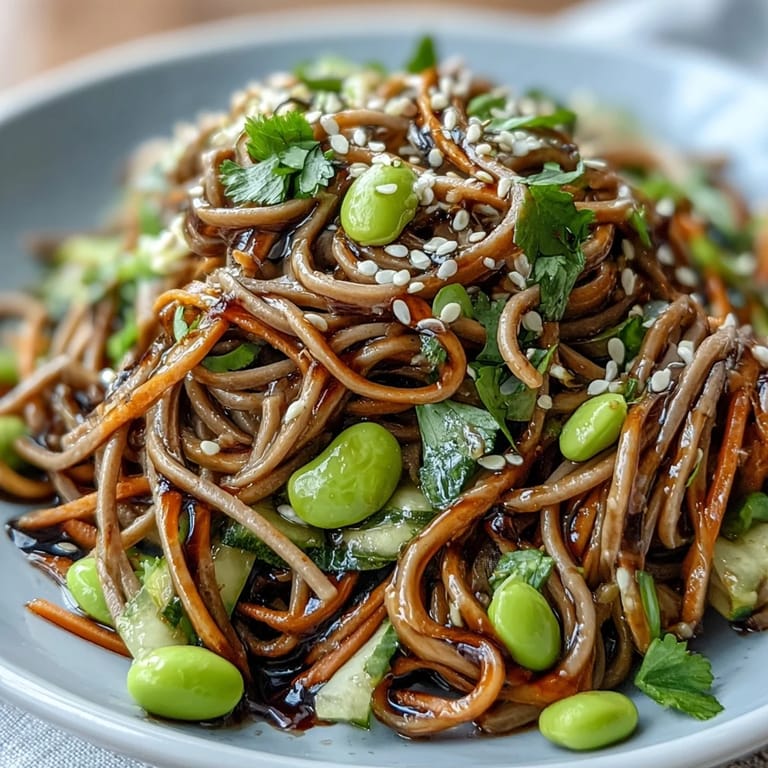
Save Last summer, my neighbor brought over a mason jar of homemade sesame dressing she'd learned to make in Kyoto, and suddenly this simple bowl of noodles became the thing I craved on hot afternoons. The way those buckwheat noodles snap between your teeth, the cool crunch of vegetables hitting right after—it felt like eating something that actually understood what your body needed when the weather turned sticky and thick. What started as me trying to recreate her version has become my go-to when I want something that feels both nourishing and indulgent, without any of the heaviness.
I made this for my sister during her first week of a new job, when she was too stressed to think about food. She ate the whole bowl in silence at my kitchen counter, and when she looked up, her shoulders had actually dropped. That's when I realized this wasn't just a recipe—it was the kind of thing that signals to someone that you understand they need to be taken care of.
Ingredients
- Dried soba noodles (250 g): Look for noodles that are at least partially buckwheat, though 100% buckwheat gives that characteristic earthy nuttiness and slightly grainier texture that makes this dish memorable.
- Shelled edamame (1 cup): Frozen works beautifully here and honestly saves you the trouble of wrestling with pods—just thaw them or drop them straight into boiling water for a minute.
- Cucumber, julienned (1 medium): The water content keeps everything bright and prevents the bowl from feeling heavy, so don't skip this even if you think you don't like cucumber.
- Carrots, julienned (2 medium): Peeling them into thin ribbons or using a julienne peeler makes them cook-able raw without that woody bite that uncut vegetables sometimes have.
- Scallions, thinly sliced (2): The white and light green parts add a gentle bite, while the darker greens scattered on top give you that restaurant-quality finish.
- Toasted sesame seeds (2 tbsp): Buy them already toasted if you can, because toasting them yourself is one more step, and this recipe is already forgiving enough without adding complexity.
- Fresh cilantro or mint (1/4 cup, optional): This is optional but honestly transforms the whole experience—mint especially brings a clarity that makes you feel like you're eating something alive.
- Soy sauce (3 tbsp): The backbone of your dressing, though tamari works if gluten matters to you, and the flavor difference is honestly negligible.
- Rice vinegar (2 tbsp): Gentler and subtly sweeter than regular vinegar, it won't jolt your palate the way something harsher might.
- Toasted sesame oil (1 tbsp): A little goes a long way—this is where the dressing's personality lives, so don't substitute it with regular sesame oil or you'll lose something essential.
- Tahini or smooth peanut butter (1 tbsp): Creates the silky texture in your dressing that makes it coat the noodles instead of just sitting on top.
- Honey or maple syrup (1 tbsp): Balances the soy's saltiness with just enough sweetness that nothing dominates.
- Fresh ginger, grated (1 tsp): Warming and slightly sharp, it cuts through richness and adds complexity without announcing itself.
- Garlic clove, minced (1 small): One clove is all you need—garlic can easily bully the delicate sesame flavors if you're not careful.
- Water (1 tbsp): Thinning the dressing is key to making it coat rather than clump, and you'll probably add more as you taste.
Tired of Takeout? 🥡
Get 10 meals you can make faster than delivery arrives. Seriously.
One email. No spam. Unsubscribe anytime.
Instructions
- Bring water to a boil and cook the noodles:
- Follow the package time but start checking a minute or two early—soba noodles have a small window between perfectly chewy and mushy. Drain them and immediately rinse under cold water, tossing gently so they don't clump into a solid mass.
- Blanch the edamame:
- Drop them into the same pot of boiling water (still hot from the noodles) for just 2 to 3 minutes until they're bright green and tender. They'll continue cooking slightly after you drain them, so don't leave them in.
- Whisk the sesame dressing until smooth:
- Combine all dressing ingredients in a small bowl and whisk until the tahini fully incorporates and there are no gritty streaks. Taste it—it should hit you with umami, brightness, and just a whisper of heat from the ginger.
- Cut your vegetables with intention:
- Julienne the cucumber and carrots so they're thin enough to be delicate but not so thin they fall apart. Thin-slice the scallions at a slight angle if you want them to look intentional.
- Dress the noodles first:
- Toss the cooled noodles with about half the dressing right in a large bowl so they absorb the flavor instead of just getting a surface coat. This step makes the difference between a pleasant bowl and one you actually remember eating.
- Build your bowls with restraint:
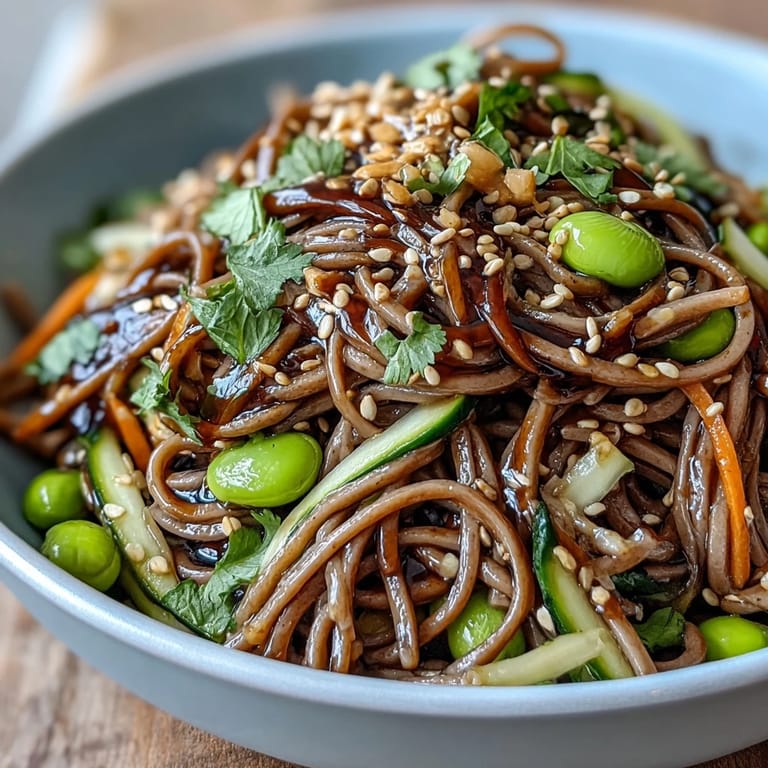
- Divide the dressed noodles among four bowls, then arrange the edamame, cucumber, carrots, and scallions on top in little clusters rather than mixing everything together. This way, each bite has texture contrast and you get to choose your own adventure with every forkful.
- Finish and serve immediately:
- Drizzle the remaining dressing over everything, scatter the sesame seeds and herbs on top, and eat while the noodles are still cool and the vegetables are still crisp. Don't let it sit—this is one of those dishes that's best the moment it's finished.
 Save
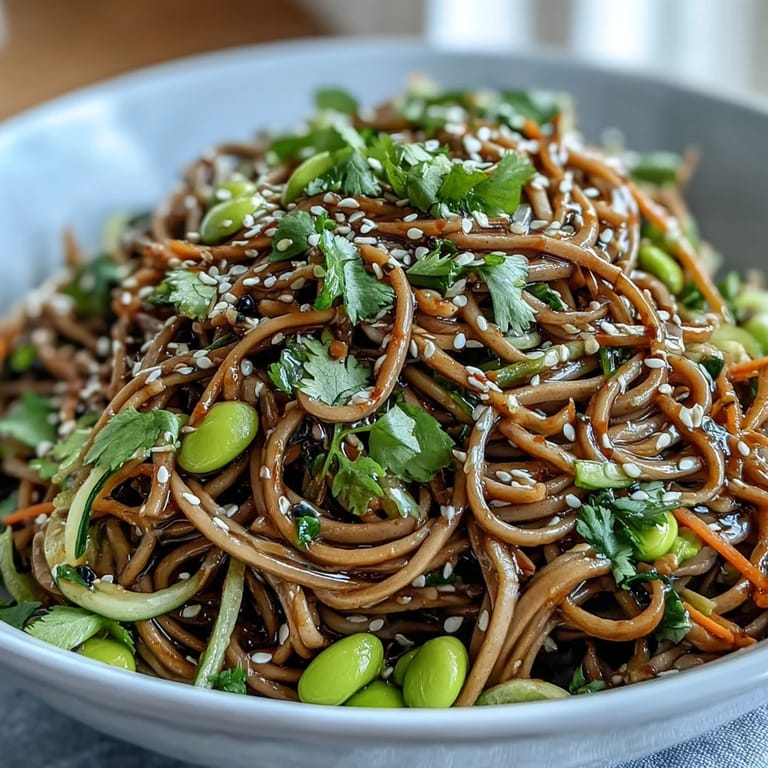
Save My nephew, who is five and suspicious of anything he hasn't engineered himself, asked why I was making "noodles with decorations," then actually ate the whole thing without complaint. His mom looked at me like I'd performed magic, and I realized that sometimes the simplest thing—vegetables that taste like themselves, noodles with texture, something that actually feels alive on your tongue—is what people have been craving without knowing it.
The Sesame Dressing Secret
The first time I made this dressing, I whisked everything separately instead of all at once, and it broke into an oily mess. Now I combine everything in the order listed, whisking constantly, and it emulsifies beautifully—the tahini acts like a binder that holds everything together. Once you understand that this dressing is actually an emulsion, you're never scrambling with a broken sauce again.
Why Buckwheat Matters
Buckwheat soba noodles have an earthy, almost nutty undertone that wheat-based noodles just don't offer, and it's the secret reason this bowl tastes complete instead of generic. The noodles have personality, which means they actually deserve the attention of good vegetables and a dressing that's been thoughtfully made. If you only have access to regular soba noodles mixed with wheat, they'll still work, but you'll notice the difference the moment you taste it.
Building Flavor Through Texture
This bowl works because everything in it has a different texture—chewy noodles, crisp vegetables, soft edamame, the slight crunch of sesame seeds. In Japanese cuisine, this is called variation in mouth-feel, and it's what transforms a bowl from one-note into something that actually engages you bite after bite. When you're prepping vegetables, resist the urge to rush; taking time to julienne them properly means they'll have the right texture and will actually look like someone cared.
- Don't skip toasting sesame seeds yourself if you have time, because the flavor jumps when you do it fresh.
- Make extra dressing and keep it in the fridge—it lasts a week and makes any grain or vegetable combination suddenly interesting.
- This bowl is forgiving enough to swap vegetables based on what's in your fridge, so long as you keep the textural variety.
 Save
Save This bowl became my answer to the question of how to eat something that feels nourishing without any of the heavy guilt that often comes attached to it. Make it once and you'll understand why it shows up on my table whenever I need to feed people something that actually matters.
Recipe FAQs
- → Can I make this dish gluten-free?
Yes. Use 100% buckwheat soba noodles and replace soy sauce with tamari. Always check labels to ensure your soba is certified gluten-free, as some blends contain wheat.
- → How should I store leftovers?
Store components separately in airtight containers. The noodles and vegetables keep for 3-4 days refrigerated. Add dressing just before serving to maintain texture.
- → Can I serve this warm or cold?
Both work beautifully. Serve immediately after tossing with warm dressing for a comforting meal, or chill everything for a refreshing cold noodle salad perfect for summer.
- → What vegetables work best?
Julienned cucumber, carrots, and bell peppers offer ideal crunch. Snap peas, radishes, shredded cabbage, or thinly sliced snow peas also work wonderfully.
- → How can I add more protein?
Top with grilled tofu, shredded chicken, pan-seared salmon, or soft-boiled eggs. Edamame already provides 13g of plant-based protein per serving.
- → What can substitute tahini in the dressing?
Smooth peanut butter, almond butter, or cashew butter work well. Each brings a slightly different flavor profile while maintaining the creamy consistency.