 Save
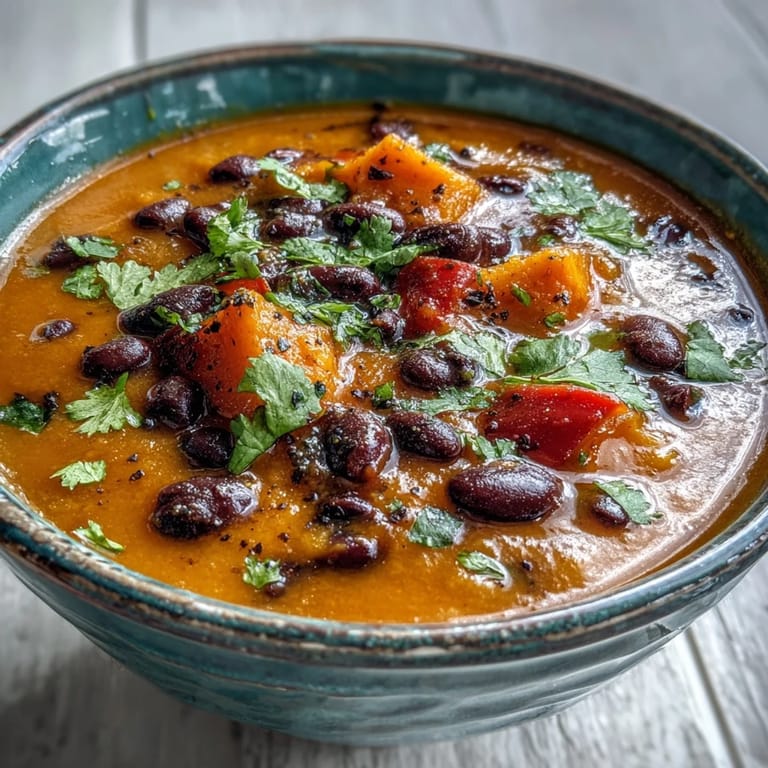
Save There's something about the moment when sweet potato and spice meet in a bubbling pot that makes you pause and actually breathe in the steam. I stumbled onto this soup on a grey November afternoon when my kitchen felt too quiet and my fridge had that peculiar combination of ingredients that somehow needed to become dinner. The result was so unexpectedly comforting that I've been making it ever since, each time discovering something new about how the spices dance together.
I made this for a small dinner party where one friend was newly vegetarian and another had just discovered they needed gluten-free meals, and watching both of them go back for seconds felt like I'd cracked some kind of code. That's when I realized this soup isn't a compromise dish at all—it's genuinely delicious on its own terms, not despite being plant-based but because it respects its ingredients.
Ingredients
- Sweet potatoes: Choose ones that feel firm and unblemished, then peel them just before dicing so they don't oxidize and turn gray.
- Yellow onion: The sweetness here balances beautifully with the spices, creating a flavor foundation rather than a sharp bite.
- Garlic: Mince it fresh—jarred garlic tastes flat in comparison and you'll notice the difference immediately.
- Carrot and celery: These are your aromatic base, building depth that makes the soup feel more intentional than just sweet potatoes floating around.
- Red bell pepper: It adds brightness and slight sweetness without overpowering the earthier spices.
- Black beans: Drain and rinse them well to remove excess sodium and the starchy liquid that can cloud your broth.
- Vegetable broth: Quality matters here since broth is literally liquid backbone; taste it first to make sure it's not oversalted.
- Diced tomatoes: The acidity cuts through richness and adds a subtle tang that keeps everything balanced.
- Ground cumin: This spice is what makes people ask what that warm, almost nutty flavor is—don't skip it or reduce it.
- Smoked paprika: It whispers smokiness without the heaviness of actual smoke, creating complexity in every spoonful.
- Ground coriander: A quiet player that adds floral notes most people can't name but absolutely feel.
- Cayenne pepper: Keep this optional and conservative unless you genuinely love heat—you can always add more but you can't take it back.
- Bay leaf: It's worth the tiny effort of fishing it out; the flavor it contributes throughout cooking is unmistakable.
- Fresh cilantro: If you're a soap-gene person cilantro won't work, but for everyone else it's the final flourish that makes the soup taste alive.
- Lime wedges: A squeeze of lime just before eating brightens everything and makes each spoonful taste fresher than it should.
Tired of Takeout? 🥡
Get 10 meals you can make faster than delivery arrives. Seriously.
One email. No spam. Unsubscribe anytime.
Instructions
- Start with your aromatic base:
- Heat oil in a large pot over medium heat, then add onion, carrot, celery, and bell pepper, letting them soften for about 5 minutes until they start to smell sweet and jammy. You'll know they're ready when the onion turns translucent and you can crush a piece of carrot against the pot with your spoon.
- Build the flavor foundation:
- Add minced garlic and cook for just 1 minute until the entire kitchen smells like something good is happening. Stir in your sweet potatoes along with cumin, smoked paprika, coriander, cayenne, and that bay leaf, letting everything toast together for 2 minutes so the spices release their oils into the hot oil.
- Add your liquids:
- Pour in vegetable broth and diced tomatoes with all their juice, then bring everything to a boil by turning up the heat and letting it bubble actively for a couple of minutes. Once it's boiling, reduce heat to a simmer, cover the pot, and let it cook undisturbed for about 15 minutes until the sweet potatoes are fork-tender.
- Finish with beans and seasoning:
- Add drained and rinsed black beans along with salt and black pepper, then let everything simmer uncovered for another 5 to 10 minutes so the flavors meld together. Taste as you go, adjusting salt and pepper since every broth brand is different and your preference matters more than any recipe.
- Decide on texture:
- This is where you get to choose—leave it chunky if you like that rustic feel, or use an immersion blender to partially blend it, creating a creamier base while leaving some sweet potato and bean pieces for texture. If you blend it, do so gently and in pulses, not until it's completely smooth.
- Final touches:
- Fish out that bay leaf, taste one more time, and serve the soup hot with whatever toppings call to you—cilantro adds freshness, lime adds brightness, and avocado adds richness.
 Save
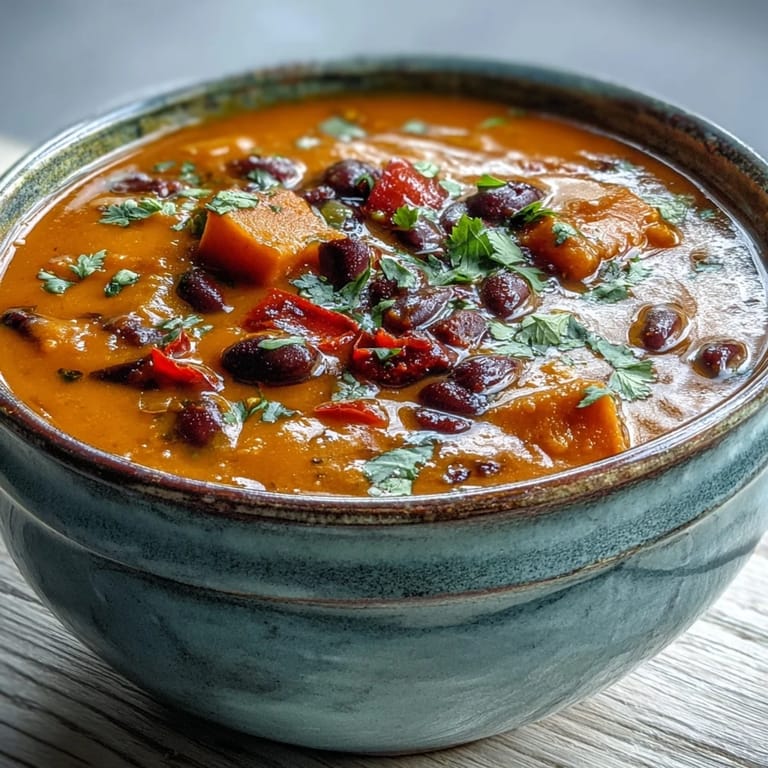
Save My neighbor tasted this soup and asked if I'd added cream, genuinely shocked when I said it was purely plant-based—that moment crystallized something I'd been sensing all along, which is that real flavor needs no apologies or substitutes. It became the soup I make when someone's had a hard week or when the weather turns cold, because it somehow tastes both comforting and energizing at the same time.
The Magic of Spice Combinations
What makes this soup memorable isn't any single ingredient but how the spices talk to each other, creating a warmth that feels deeper than just temperature. Cumin brings earthiness, smoked paprika adds intrigue, and coriander whispers something floral underneath it all—together they create a flavor profile that feels almost exotic while remaining completely grounded. I learned this by accident when I made the soup without coriander once and it tasted flat, then added it and suddenly everything clicked into place.
Why Partial Blending Changes Everything
The first time I made this soup I blended it completely smooth, creating something more like a creamy purée, and while it was delicious it felt one-note in texture. A friend suggested blending it only halfway, leaving some chunks of sweet potato and beans visible, and that small shift made each spoonful more interesting because you'd encounter different textures and get little surprises. Now I always blend it just enough to create a velvety base while keeping enough substance that it feels like actual food rather than liquid.
Serving and Pairing Suggestions
This soup stands alone as a complete meal but comes alive when paired with something textural alongside it—crusty bread for dunking, tortilla chips for crunch, or even a simple green salad to cut through the richness. The cilantro, lime, and avocado toppings aren't just decoration, they're actually essential to the eating experience, each one bringing a different dimension that makes you want another spoonful. I've found that letting people build their own bowl with toppings makes them more invested in the meal and usually leads to interesting flavor combinations I wouldn't have thought of myself.
- A squeeze of lime right before eating brightens the whole bowl and makes spices sing.
- If you're serving to non-vegetarians, a dollop of Greek yogurt adds richness and protein without derailing the flavor.
- Make a double batch and freeze it in portions because this soup reheats beautifully and tastes even better the next day as flavors deepen.
 Save
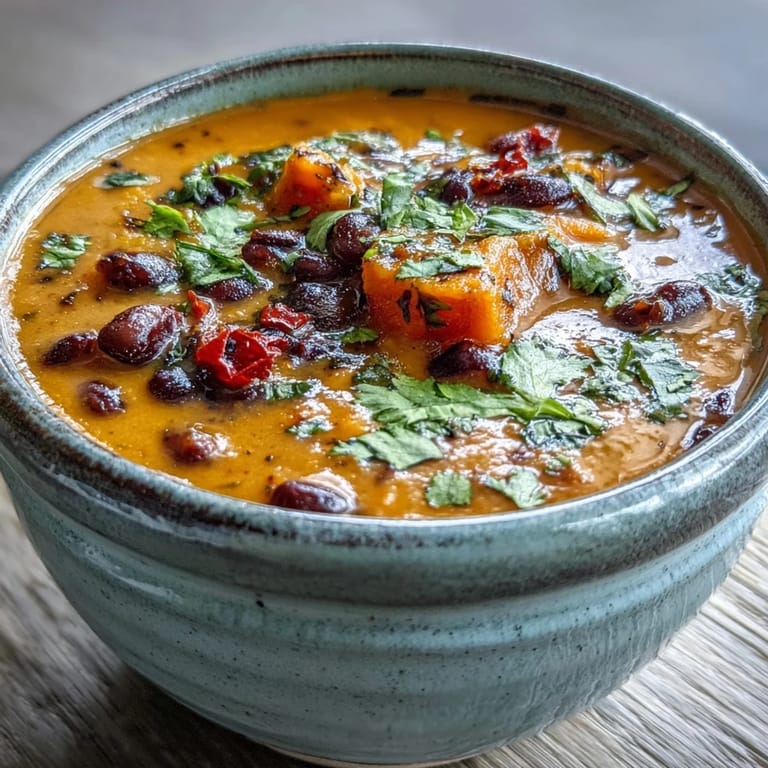
Save This soup has become one of those dishes I make without checking the recipe anymore, adjusting spices based on my mood and what's in the crisper drawer. It's taught me that sometimes the most satisfying meals are the simplest ones, where good ingredients and respect for their natural flavors matter more than complexity or technique.
Recipe FAQs
- → Can I make this soup ahead of time?
Absolutely. This soup tastes even better the next day as flavors meld together. Store in an airtight container in the refrigerator for up to 4 days or freeze for up to 3 months.
- → How can I make this soup spicier?
Increase the cayenne pepper to 1/2 teaspoon or add chipotle powder for smoky heat. You can also add diced jalapeños when sautéing the vegetables.
- → What beans work best as substitutions?
Pinto beans or kidney beans make excellent substitutes. Red beans also work well and maintain the soup's heartiness and protein content.
- → Should I blend the entire soup?
Partial blending creates the best texture—some creaminess with remaining chunks for substance. An immersion blender gives you control over the final consistency.
- → Is this soup freezer-friendly?
Yes, it freezes beautifully. Cool completely before transferring to freezer-safe containers. Thaw overnight in the refrigerator and reheat gently on the stovetop.
- → What toppings complement this soup?
Fresh cilantro adds brightness, lime wedges provide acidity, and sliced avocado contributes creaminess. Tortilla strips or crushed tortilla chips add satisfying crunch.