 Save
Save The first time I piped buttercream flowers onto a cake, my hands were shaking—not from nerves about the technique, but because it was for my cousin's First Communion, and suddenly this dessert felt like more than just cake. I'd baked plenty before, but watching her face light up when she saw those delicate pink and yellow blooms made me understand why people get so particular about celebration cakes. This sheet cake, with its tender crumb and silky buttercream, became my go-to for any milestone that needed something special yet approachable.
I still remember my neighbor asking if I could make something for her daughter's celebration—she showed me a photo from a bakery and said she couldn't afford that price tag. Two hours later, with colored buttercream and a steady piping hand, we created something better, because it came from our kitchen, not a commercial one. That cake taught me that the most meaningful desserts aren't always the fanciest; they're the ones made with intention and a little bit of time.
Ingredients
- All-purpose flour: Use unbleached if you can—it browns more beautifully and gives the cake subtle depth without any weird aftertaste.
- Baking powder: Fresh baking powder matters here; check your container's date because old leavening agents will betray you with a dense, flat cake.
- Salt: A pinch enhances the vanilla without making anything taste salty; don't skip it even if you think it's unnecessary.
- Unsalted butter: The softening step is crucial—room temperature butter creams properly and creates those air pockets that keep the cake tender.
- Granulated sugar: Whip it with the butter until it looks almost pale and fluffy; this is where the lift happens before any eggs arrive.
- Eggs: Room temperature eggs blend smoothly into the batter without deflating your carefully creamed butter and sugar.
- Pure vanilla extract: Splurge on real vanilla; imitation tastes tinny next to quality buttercream, and your guests will notice the difference.
- Whole milk: Also room temperature—cold milk can seize the batter and create a grainy texture instead of silky crumb.
- Powdered sugar: Sift it before measuring to avoid dense, lumpy buttercream that's frustrating to pipe.
- Food coloring: Gel coloring creates vibrant hues without thinning your buttercream like liquid dyes do.
Tired of Takeout? 🥡
Get 10 meals you can make faster than delivery arrives. Seriously.
One email. No spam. Unsubscribe anytime.
Instructions
- Set your stage:
- Preheat to 350°F while you gather bowls and make sure your butter and eggs have been sitting out long enough to lose their chill. Grease that 9x13 pan generously and line it with parchment paper that extends up two sides—it makes lifting the cooled cake effortless.
- Build the dry team:
- Whisk flour, baking powder, and salt together in a bowl; this distributes the leavening evenly so you don't get random dense pockets later. Set it aside and forget about it for now.
- Cream butter and sugar:
- Beat softened butter with sugar until it's pale, fluffy, and almost doubled in volume—about three minutes with an electric mixer on medium-high. This step is where the cake gets its tender crumb, so don't rush it or skip ahead.
- Introduce the eggs gently:
- Add eggs one at a time, beating well after each one so the batter stays emulsified and smooth. If it looks slightly curdled between additions, don't panic; it'll come together once you add the flour.
- Add vanilla and give it a taste:
- Mix in pure vanilla extract and pause to appreciate that smell—it's the smell of something about to become special.
- Alternate and stay gentle:
- Add your flour mixture in thirds, alternating with milk and always starting and ending with flour. Mix just until combined; overmixing develops gluten and creates a tough, dense cake that no buttercream flower can save.
- Into the oven:
- Pour batter into the prepared pan, smooth the top with a spatula so it bakes evenly, and slide it into the oven. The kitchen will smell like vanilla cake in about ten minutes, and that's when you know it's working.
- Cool with patience:
- Bake until a toothpick inserted in the center comes out clean—usually 28 to 32 minutes depending on your oven's mood. Let it rest in the pan for ten minutes so it sets slightly, then turn it out onto a wire rack and let it cool completely; warm cake frosting is a recipe for disaster.
- Make silky buttercream:
- Beat softened butter until creamy, then gradually add sifted powdered sugar, alternating with milk, until you have something smooth and fluffy enough to pipe. Mix in vanilla and taste it—real vanilla extract makes all the difference here.
- Tint for beauty:
- Divide buttercream into bowls and add gel food coloring one drop at a time, stirring until you have the colors you want. Gel coloring gives vibrant shades without thinning the frosting like liquid dyes do.
- Frost and pipe:
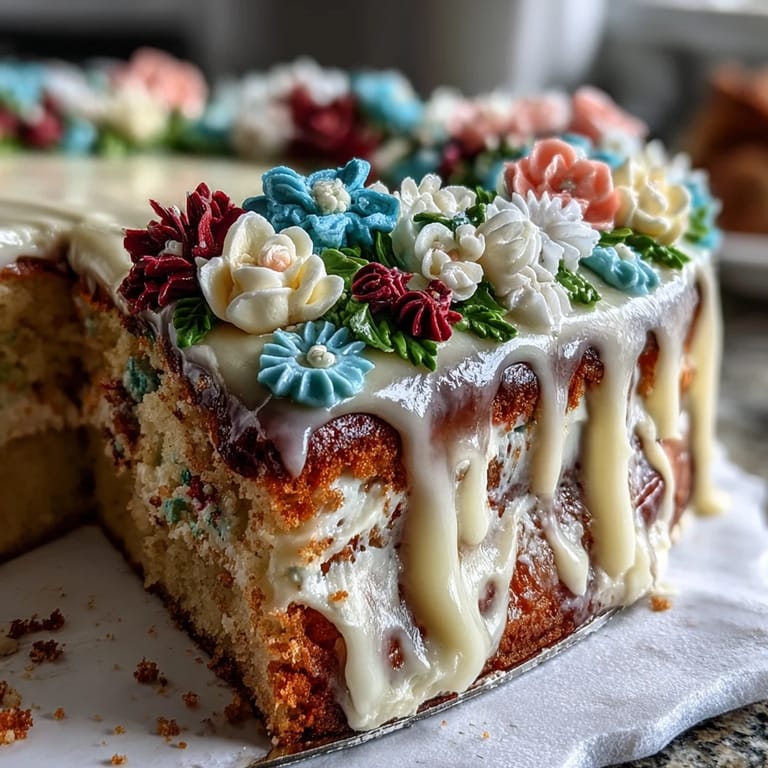
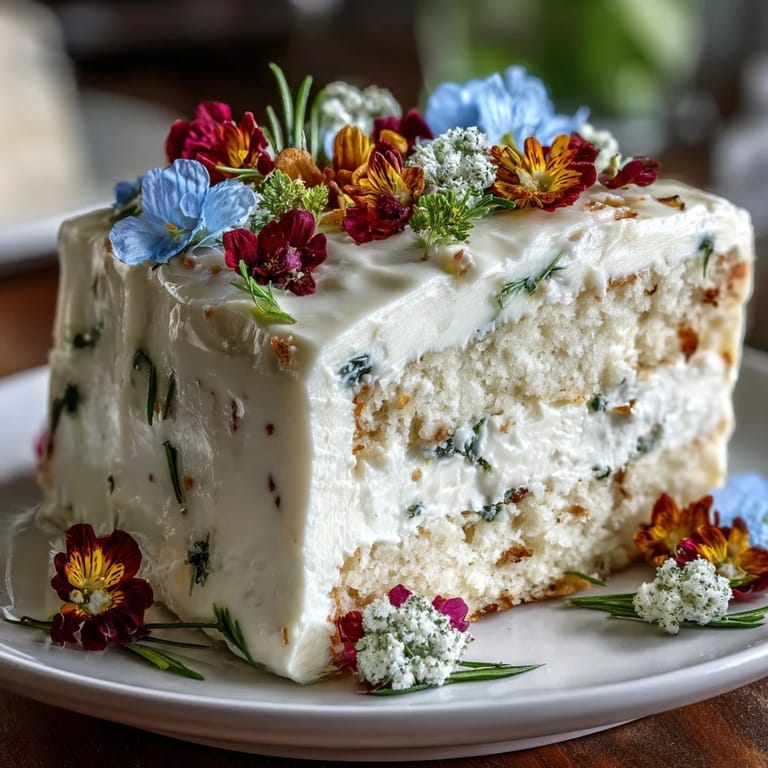
- Spread a generous base layer of plain buttercream over the cooled cake, then fill piping bags with colored buttercream fitted with flower and leaf tips. Pipe blooms and leaves across the cake with confidence—even imperfect flowers look intentional when they're part of a celebration.
- Add the final touch:
- If you're piping a cross or adding text, use a small round tip and work slowly; these details transform a beautiful cake into a meaningful one.
 Save
Save The most touching moment came when a little girl in a white dress asked her mother if we could save the corner with the pink roses because they were her favorite color. That's when I realized this cake isn't about perfect technique—it's about creating something that makes people feel seen and celebrated. The buttercream flowers, whether they're flawless or charmingly wobbly, carry that intention straight into someone's heart.
Timing Your Day
You can bake this cake the day before and store it covered at room temperature; the crumb actually stabilizes overnight, making it easier to frost. Make your buttercream the morning of decorating, and you'll have a fresh, fluffy frosting that pipes like a dream. Start piping about an hour before guests arrive so the buttercream sets slightly and your flowers hold their shape beautifully.
Flavor Variations Worth Trying
The vanilla is classic for a reason, but a half-teaspoon of almond extract added to the batter creates a subtle, sophisticated warmth that people can't quite identify—they just know it's delicious. Some bakers add the tiniest pinch of nutmeg to the batter for warmth, or a tablespoon of fresh lemon zest if you want brightness. The buttercream itself can shift with a teaspoon of rose water for elegance, though use a light hand since rose can overwhelm quickly.
Decorating with Confidence and Joy
Piping flowers feels impossible until your hands remember that you're just making little spirals, loops, and dots—the piping tip does the heavy lifting, and your job is simply to move steadily. Start with a practice sheet of parchment to get the hand motion, then pipe directly onto the frosted cake and feel your confidence grow with each bloom. If a flower looks wonky, don't fret; pipe a leaf next to it to balance the composition, or add another bloom nearby so nothing looks lonely or out of place.
- Use gel food coloring for vibrant buttercream that pipes cleanly and doesn't look muddy or runny.
- Keep a small bowl of warm water nearby to rinse your piping tips between colors so hues stay true and bright.
- Step back from the cake regularly and look at it from a distance—what feels like mistakes up close often look perfectly intentional from across the room.
 Save
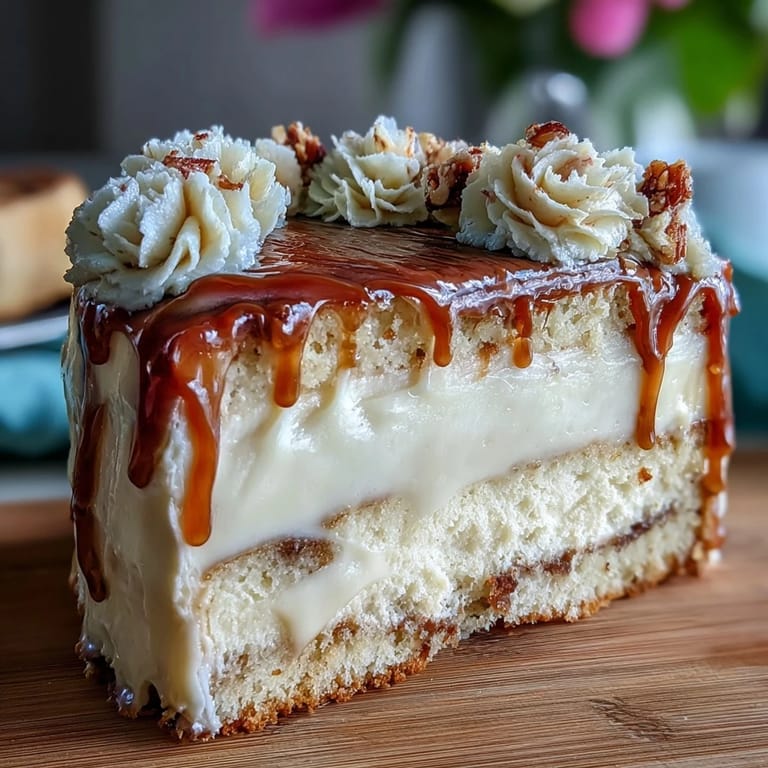
Save This cake has taught me that celebration desserts don't need to be complicated to be meaningful—they just need to be made with care and topped with flowers that say, "You matter." Every time someone asks for the recipe, I hand it over happily, knowing they'll make it their own.
Recipe FAQs
- → What type of flour is best for this cake?
Use all-purpose flour to achieve a tender crumb while providing enough structure for the moist texture.
- → How do I get smooth buttercream for piping?
Beat softened butter until creamy before gradually adding powdered sugar and milk. Mix until fluffy to ensure smooth, pipeable consistency.
- → Can I use food coloring for vibrant flowers?
Gel food coloring is recommended for rich, non-runny colors perfect for crisp flower petals.
- → What's the best way to avoid overmixing the batter?
Add the flour mixture alternately with milk and mix just until combined to keep the cake tender without toughness.
- → How should the cake be cooled before decorating?
Cool completely on a wire rack after baking to prevent the buttercream from melting during decoration.