 Save
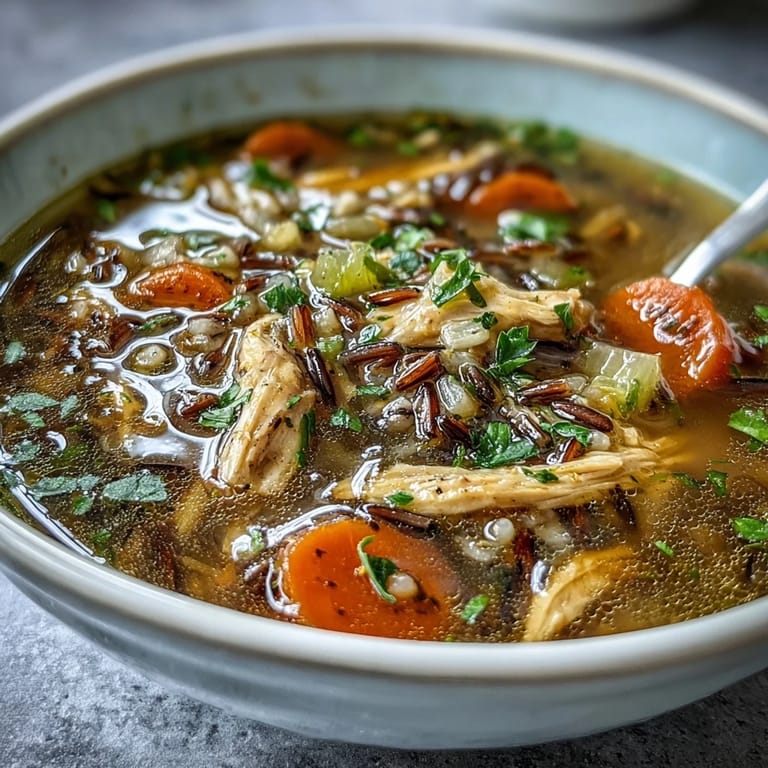
Save There's something about the smell of wild rice toasting in a hot pot that makes a kitchen feel instantly like home. My neighbor knocked on my door one October afternoon with a bag of fresh carrots from her garden, and I knew exactly what I wanted to make—this soup that's become my go-to when the days start getting shorter and the evenings turn cool. It's the kind of dish that asks for nothing fancy, just good ingredients and a little time to let everything get to know each other in the pot.
I made this for my sister during one of those visits where we both needed to slow down and talk about real things. She sat at my kitchen counter while the soup simmered, and we found ourselves laughing about old family dinners and what comfort actually means. By the time we sat down to eat, the kitchen was warm and filled with this golden broth, and somehow the conversation got easier.
Ingredients
- Cooked chicken breast, shredded or diced (2 cups): Using leftover rotisserie chicken saves time and often adds more flavor than starting from scratch—just pick the meat right off the bones and don't worry about perfection.
- Uncooked wild rice, rinsed (3/4 cup): This grain takes longer than white rice but gives the soup a distinctive nutty character and chewy texture that regular rice simply can't match.
- Carrots, peeled and sliced (3 medium): Sweet carrots are the backbone of this soup's flavor, especially if you can find ones from a farmer or garden—they make a noticeable difference.
- Celery stalks, diced (2): Celery might seem like a background player, but it builds the aromatic foundation that makes every spoonful taste more developed.
- Yellow onion, diced (1 small): This cooks down completely and dissolves into the broth, adding sweetness and depth without any onion chunk getting in the way.
- Garlic, minced (2 cloves): Just enough to add warmth and complexity—too much would overpower the delicate broth.
- Low-sodium chicken broth (7 cups): The quality of your broth matters here since it's the main voice in the pot; I prefer low-sodium so I can control the salt level myself.
- Bay leaf, dried thyme, and dried rosemary: This trio of herbs creates that classic soup aroma that signals comfort and care—don't skip the bay leaf as it keeps things from tasting one-dimensional.
- Salt and freshly ground black pepper, to taste: Taste as you go and season at the end; fresh pepper makes a real difference compared to the pre-ground stuff.
- Fresh parsley, chopped (2 tablespoons): Added just before serving, parsley brings brightness and a fresh green note that cuts through the richness.
- Olive oil (2 tablespoons): Good olive oil helps develop the initial flavors when sautéing the vegetables, setting the stage for everything that follows.
Tired of Takeout? 🥡
Get 10 meals you can make faster than delivery arrives. Seriously.
One email. No spam. Unsubscribe anytime.
Instructions
- Build your flavor foundation:
- Heat olive oil in a large pot over medium heat and add the onion, carrots, and celery—listen for that gentle sizzle and let them soften for 5 to 6 minutes, stirring occasionally so nothing browns too fast. The kitchen should smell sweet and vegetal, and the vegetables should start to look a little tender at the edges.
- Wake up the garlic:
- Stir in the minced garlic and let it cook for just 1 minute—you're looking for that pungent aroma to soften into something more fragrant and less sharp.
- Introduce the rice and broth:
- Add the rinsed wild rice, chicken broth, bay leaf, thyme, and rosemary all at once. Bring the pot to a boil, then turn the heat down low, cover it, and let it simmer gently for 40 to 45 minutes until the rice is tender and has absorbed most of the broth's flavor.
- Bring in the chicken:
- Add your cooked chicken to the pot and simmer for another 5 to 8 minutes just to heat it through and let it absorb some of the broth's warmth.
- Season to taste:
- Fish out the bay leaf, then taste and add salt and pepper until the soup tastes right to you—this is where you make it your own.
- Serve and garnish:
- Ladle into bowls and top with a scatter of fresh parsley for color and brightness.
 Save
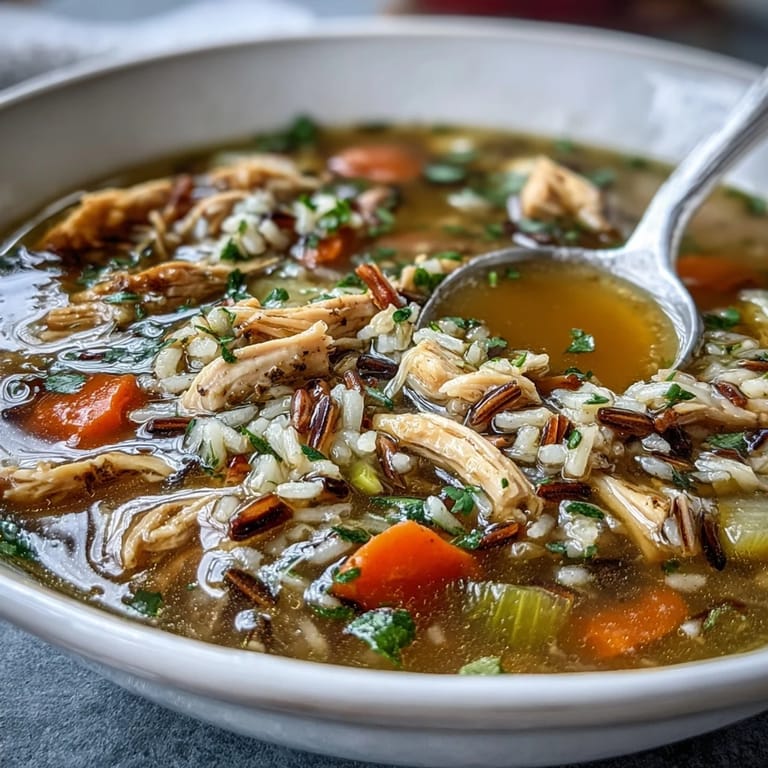
Save This soup has a way of showing up in my life at exactly the right moments—when someone's sick, when we've all been working too hard, or just when everyone needs to gather around something warm and real. It's become the kind of recipe I don't even look up anymore because my hands just know what to do, and that quiet muscle memory feels like its own kind of magic.
Why Wild Rice Matters Here
Wild rice isn't actually rice at all—it's the seed of an aquatic grass—and it brings something brown rice or white rice simply can't offer to a soup like this. It has a firmer, chewier texture and an earthy flavor that makes the whole bowl taste more intentional and sophisticated, even though the recipe is straightforward. Once you've made this soup with wild rice, going back to regular rice feels like settling for less.
Making It Your Own
This is one of those recipes that invites gentle changes depending on what you have and what you need. Some nights I add a splash of heavy cream at the end for richness, other times I keep it lighter and brighter. The bones of the recipe—vegetables, rice, chicken, good broth, and herbs—stay the same, but everything else can shift with the season or your mood.
Storage and Make-Ahead Wisdom
This soup gets better after it sits overnight because all the flavors have more time to become friends in the refrigerator. It keeps well for up to four days in a sealed container, and it freezes beautifully for up to two months if you want to prepare ahead for busy weeks ahead.
- Let the soup cool completely before refrigerating so you don't raise the temperature of everything around it.
- If you're freezing it, leave a little space at the top of the container since the soup expands slightly as it freezes.
- Reheat gently on the stovetop over medium heat, adding a splash of broth if it's thickened too much.
 Save
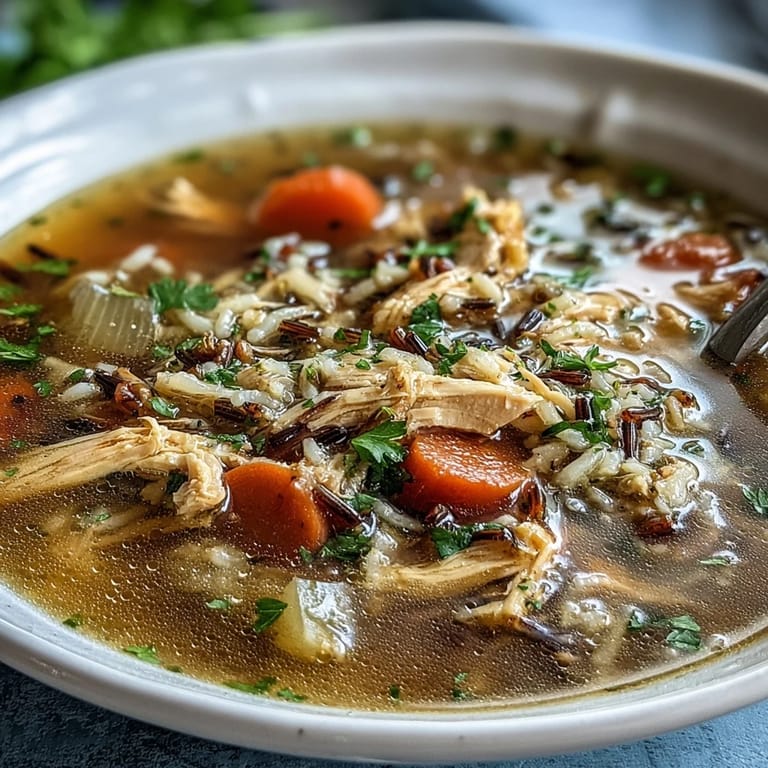
Save This soup reminds me that the simplest recipes often carry the deepest comfort, and that there's real nourishment in taking time to cook something thoughtfully. Make it when you need it, share it when someone else does, and trust that it will always taste exactly like care.
Recipe FAQs
- → What type of rice is used in this dish?
Uncooked wild rice is used, offering a nutty flavor and chewy texture that complements the chicken and vegetables.
- → Can I substitute other grains for wild rice?
Yes, brown rice can be used as a substitute, but cooking times may need adjustment to ensure tenderness.
- → What herbs enhance the flavor of this dish?
Dried thyme, rosemary, and a bay leaf are simmered in the broth, imparting earthy and fragrant notes.
- → Is it possible to make this dish creamier?
Adding a splash of heavy cream or whole milk at the end creates a richer and creamier consistency.
- → What kitchen tools are needed for preparation?
A large pot or Dutch oven is ideal for cooking, along with basic tools like a cutting board, chef's knife, and a ladle for serving.
- → Can leftover cooked chicken be used?
Yes, shredded or diced leftover chicken such as rotisserie works well and saves prep time.