 Save
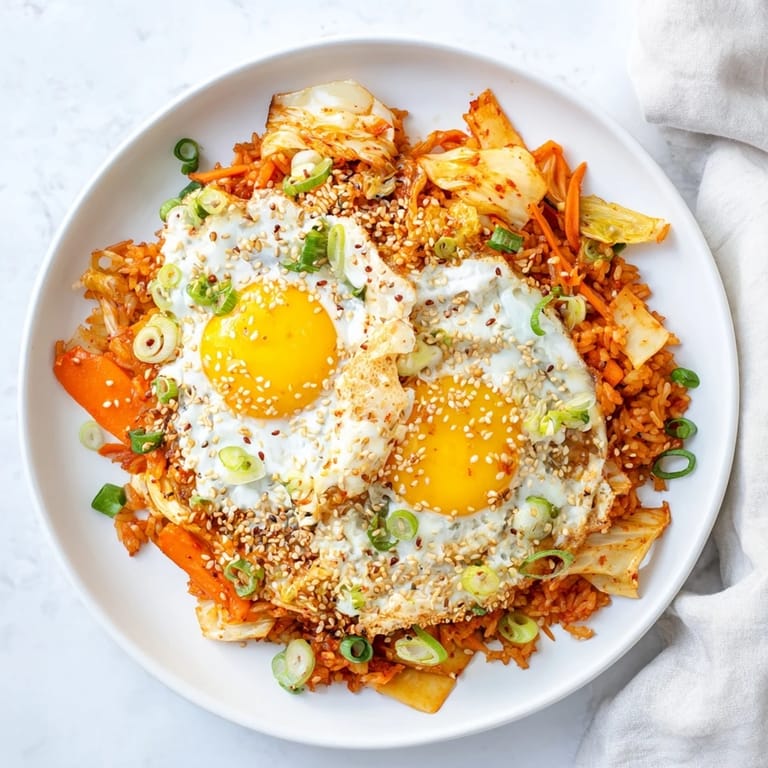
Save Last winter, I found myself standing in my kitchen at midnight, the house quiet except for the sizzle coming from my well-worn wok. The fridge offered little beyond day-old rice and that container of kimchi I'd been neglecting. What emerged was this kimchi fried rice - a perfect storm of tangy, spicy comfort that turned my midnight scrounge into a ritual I now crave weekly.
My friend Joon laughed when I nervously served this to him during a spontaneous visit, explaining his grandmother would approve of my kimchi-to-rice ratio but would scold me for not letting the kimchi ferment longer. He still ate three bowls, though, and now requests it whenever he stops by.
Ingredients
- Day-old short-grain rice: Fresh rice is too moist and will turn mushy instead of getting those beautiful crispy edges that make this dish special.
- Kimchi and kimchi juice: The older and more fermented your kimchi, the deeper and more complex your fried rice will taste.
- Gochujang: This fermented chili paste adds a sweet-spicy depth that regular hot sauce simply cannot replicate.
- Toasted sesame oil: Just a teaspoon transforms the entire dish with its nutty aroma.
- Green onions: The whites provide a mild oniony base during cooking while the greens add fresh brightness at the end.
Tired of Takeout? 🥡
Get 10 meals you can make faster than delivery arrives. Seriously.
One email. No spam. Unsubscribe anytime.
Instructions
- Build the flavor base:
- Heat that tablespoon of vegetable oil until it shimmers, then toss in your chopped onion, carrot and white parts of the green onion. Youll know theyre ready when your kitchen fills with a sweet aroma and they just begin to soften.
- Wake up the kimchi:
- Add the chopped kimchi and let it sizzle until the edges start caramelizing and turning slightly brown. This concentrates all those complex fermented flavors.
- Create the sauce magic:
- When you stir in that gochujang, soy sauce, kimchi juice, sugar and pepper, youre building the soul of the dish. Let it coat everything for a full minute, breathing in that intoxicating aroma.
- Rice transformation:
- Add your day-old rice, breaking up any stubborn clumps with your spatula. Keep it moving for those 3-4 minutes until every grain is gloriously coated with that vibrant red sauce.
- Final flourish:
- That drizzle of sesame oil at the end isnt optional - it brings everything together with its toasty warmth. Scatter the green onions across the top and watch them wilt slightly from the residual heat.
- Crown your creation:
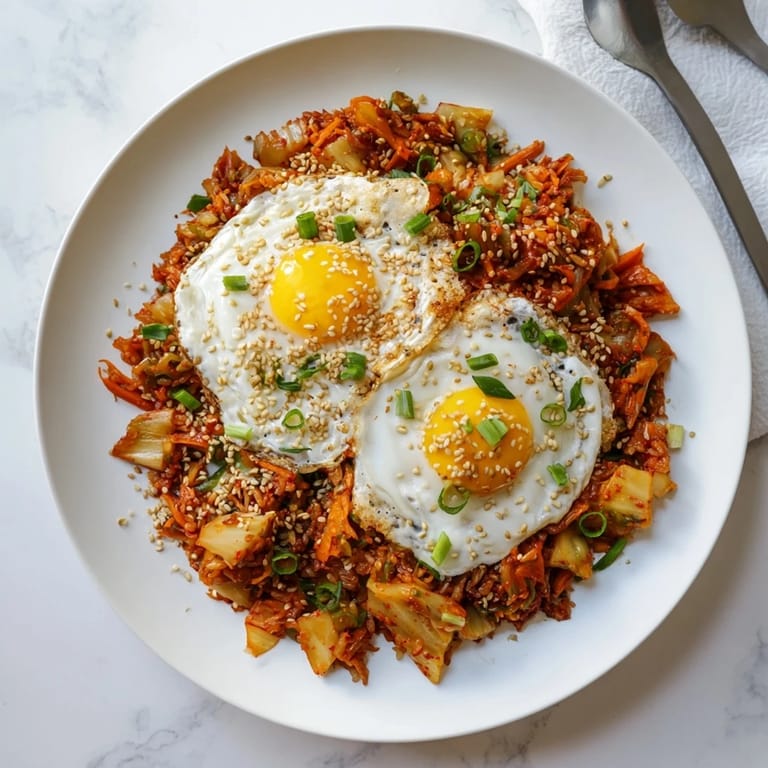
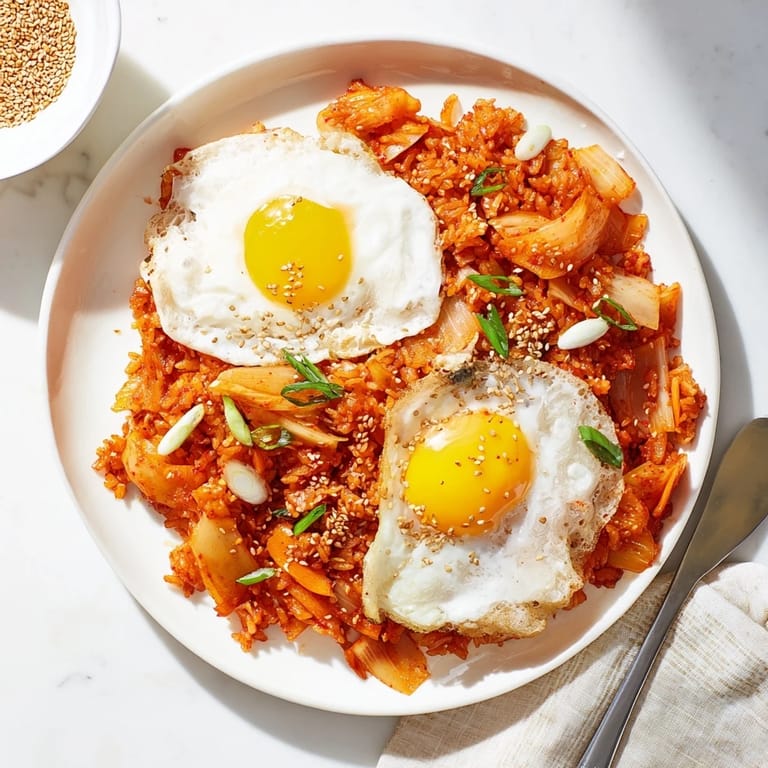
- If youre feeling indulgent, top each serving with a fried egg, letting that golden yolk create a silky sauce when broken. A sprinkle of sesame seeds adds the perfect nutty crunch.
 Save
Save During graduate school, this kimchi fried rice became my Thursday night tradition, a small act of self-care after long study sessions. Friends started showing up at my door on Thursdays without invitation, bringing cold beer or homemade banchan sides, turning my simple kitchen ritual into an impromptu weekly gathering that carried us through two challenging semesters.
Making It Your Own
The beauty of kimchi fried rice lies in its flexibility, something I discovered during a particularly sparse month when grocery money was tight. Ive thrown in leftover rotisserie chicken, crumbled tofu, and even diced spam with excellent results. The only constants are the kimchi, rice, and that magical gochujang - everything else can adapt to what you have on hand.
Balancing The Heat
The first time I made this for my mom, I went overboard with the gochujang and watched her eyes water with each bite, though she was too polite to complain. Now I know to start with less and add more to taste, especially since kimchi varies so wildly in spiciness depending on its age and preparation. Remember that the heat will intensify as the ingredients meld together.
Serving Suggestions
While this dish stands perfectly well on its own, certain pairings elevate it to dinner party status. A small side of quick-pickled cucumbers provides cooling crunch against the spicy rice, while a simple miso soup rounds out the meal with soothing warmth.
- Serve with ice-cold beer or barley tea to balance the heat and cleanse the palate between bites.
- A side of simple blanched vegetables dressed only with sesame oil and salt offers textural contrast without competing with the main dish.
- If serving for breakfast or brunch, accompany with fresh fruit to balance the savory intensity.
 Save
Save This humble bowl of kimchi fried rice represents what I love most about cooking - the ability to transform simple ingredients into something that nourishes both body and spirit. It waits patiently for you in your kitchen, ready whenever youre hungry for comfort with a kick.
Recipe FAQs
- → Why should I use day-old rice?
Day-old rice has less moisture, preventing the fried rice from becoming mushy or clumpy. Freshly cooked rice contains too much moisture and will steam rather than fry. If you must use fresh rice, spread it on a plate to cool completely first.
- → What is gochujang and can I substitute it?
Gochujang is a fermented Korean chili paste with sweet, spicy, and umami notes. For substitutes, use sriracha mixed with a pinch of miso paste, or sambal oelek for a simpler option. The flavor profile will shift slightly but remains delicious.
- → How do I make this vegan?
Omit the fried egg or replace it with a plant-based alternative. Ensure your gochujang, soy sauce, and kimchi are certified vegan—many contain fish products or eggs. Check labels carefully or look for specifically labeled vegan varieties.
- → Can I add protein to this dish?
Absolutely. Diced tofu, cooked chicken, shrimp, or beef work wonderfully. Add protein after the vegetables soften in step 1, allowing it to warm through before adding the rice. This increases the dish's heartiness and nutrition.
- → How do I adjust the spice level?
Start with less gochujang and kimchi juice, then taste and add more to reach your preferred heat. You can also reduce kimchi and increase regular cabbage, or serve sriracha on the side for individual customization.
- → What's the best way to fry the eggs?
Heat oil in a separate pan over medium-high heat until shimmering. Crack the eggs into the pan and fry until whites set and yolks reach your desired doneness—runny yolks add richness when mixed into the warm rice.