 Save
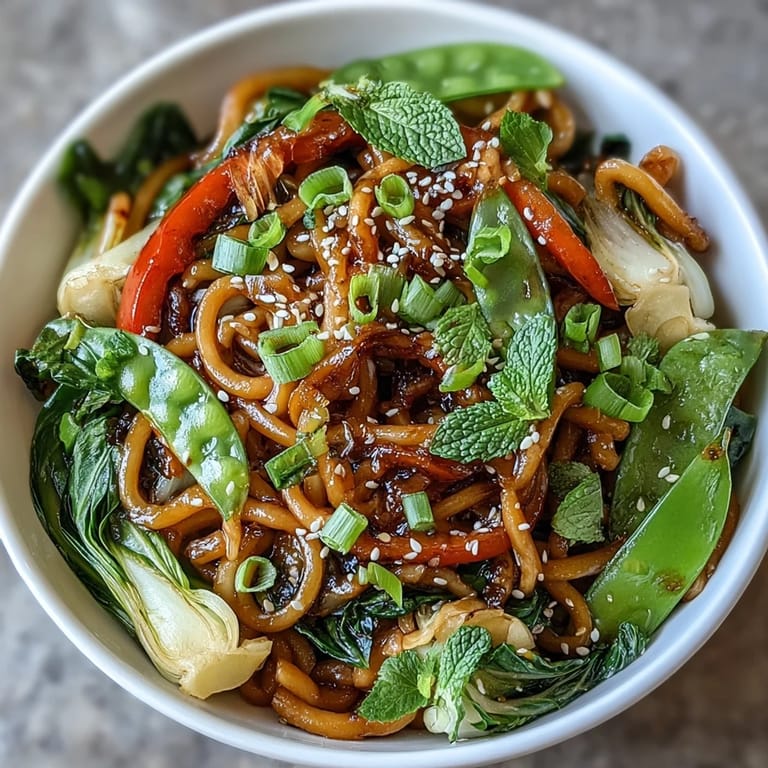
Save One quiet Tuesday evening, I was staring into my refrigerator at a half-empty vegetable drawer and a package of shirataki noodles I'd been curious about for weeks. Something clicked—why not build a bowl around them instead of treating them like a substitute? That night, tossing ginger-scented noodles with crisp vegetables and watching the sauce coat everything in a glossy shimmer, I realized this wasn't about being low-carb or healthy. It was about how simple, honest ingredients could come together in fifteen minutes and somehow feel like restaurant-quality comfort food.
I made this for a friend who'd just started experimenting with low-carb eating, and she was skeptical—shirataki noodles have a reputation. But watching her face light up as she took that first bite, realizing that the noodles had basically disappeared into the background of flavors, felt like winning a small kitchen victory. She asked for the recipe before she even finished eating.
Ingredients
- Shirataki noodles (400 g, drained and rinsed): These deserve special attention—rinsing them thoroughly removes the fishy smell, and a quick two-minute boil makes them tender without turning mushy. Pat them dry afterward, or they'll water down your finished bowl.
- Bok choy (1 cup, sliced): The tender leaves wilt slightly while the stems stay crisp, giving you texture variation that feels intentional rather than accidental.
- Red bell pepper (1/2, thinly sliced): Red ones are sweeter than green, and thin slices mean they stay just this side of crispy rather than turning soft.
- Snow peas (1/2 cup, trimmed): They cook so quickly that you barely have time to look away from the wok, which is exactly the point.
- Carrot (1 medium, julienned): Julienne cut means they cook evenly and add a delicate sweetness that balances the spice and vinegar.
- Green onions (2, thinly sliced): Reserve half for garnish so you get that fresh bite at the end, not just cooked onion flavor.
- Tamari or gluten-free soy sauce (2 tbsp): Tamari is deeper and slightly less sharp than regular soy sauce, which matters in a sauce this simple.
- Rice vinegar (1 tbsp): Its mild acidity brightens everything without overpowering, unlike stronger vinegars.
- Toasted sesame oil (1 tbsp): Use the dark kind and don't skip this—it's where half the flavor lives.
- Fresh ginger (1 tbsp, finely grated): Fresh ginger gives you heat and brightness; dried powder feels like a completely different dish.
- Garlic (1 clove, minced): One clove is enough to be present without shouting over the ginger.
- Maple syrup (1 tsp, optional): This small amount rounds out the sauce's edges, making it feel complete rather than sharp.
- Chili flakes (1/2 tsp, optional): Add them if you like heat, skip them if you don't—this bowl works either way.
- Toasted sesame seeds (1 tbsp) and fresh cilantro or basil: These are the final touch that transforms a bowl into something you actually want to photograph.
Tired of Takeout? 🥡
Get 10 meals you can make faster than delivery arrives. Seriously.
One email. No spam. Unsubscribe anytime.
Instructions
- Prepare the shirataki noodles:
- Drain the noodles from their package, rinse them thoroughly under cold running water (this step is your best friend for texture), then boil them for exactly two minutes. Drain again and pat them dry with paper towels—this prevents them from releasing water into your finished bowl.
- Build your sauce:
- In a small bowl, whisk together the tamari, rice vinegar, sesame oil, ginger, garlic, maple syrup, and chili flakes until everything is incorporated and smells impossibly good. You can make this while the noodles are boiling.
- Sear the harder vegetables:
- Heat a large skillet or wok over medium-high heat until it's genuinely hot, then add the carrot, bell pepper, and snow peas. Stir-fry for two to three minutes, listening for that quiet sizzle and watching for the vegetables to brighten in color while staying crisp at the edges.
- Add the tender vegetables:
- Drop in the bok choy and half the green onions, stirring constantly for another minute or two until the bok choy just begins to soften but still has some resistance.
- Bring it all together:
- Add the dried shirataki noodles to the pan and pour the sauce over everything, then toss for two to three minutes until the noodles are heated through and coated in that glossy, fragrant sauce. The whole mixture should smell like a ginger-forward Asian restaurant.
- Serve and finish:
- Divide between bowls, scatter sesame seeds and reserved green onions on top, and add cilantro or basil if you're using it. Eat while everything is still warm and the vegetables still have bite.
 Save
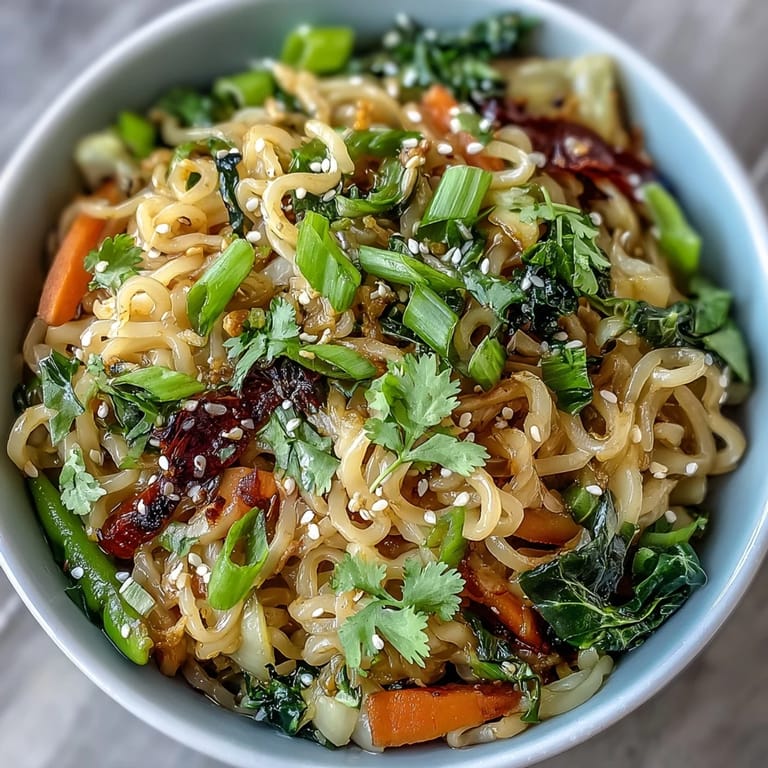
Save This bowl taught me that eating light doesn't mean eating without pleasure. My body felt good after eating it, but my mind felt satisfied too—which is the combination that actually makes a recipe stick around in rotation rather than feeling like punishment.
The Sauce Is Everything
I learned this by accident the first time I made the bowl without properly whisking the sauce—the ginger and garlic just sort of floated around instead of emulsifying with the oil and vinegar. That second attempt, when I actually took two minutes to whisk everything together in a bowl first, was revelatory. The sauce coated every vegetable and noodle evenly, and suddenly the whole thing tasted intentional and balanced. It's one of those moments where an extra thirty seconds of prep work makes the difference between good and memorable.
Building Your Own Variations
The beauty of this bowl is that it's more of a framework than a fixed recipe. I've made it with broccoli instead of bok choy, with mushrooms added for earthiness, with snap peas when snow peas weren't available. The sauce structure stays the same, but the vegetables adjust to what your farmers market or pantry offers. Some nights I add lime juice at the end because I want that extra brightness; other times a tiny pinch of white pepper feels right instead of chili flakes.
Making It a Full Meal
On its own, this bowl is a beautiful light dinner or lunch, but if you're looking for more substance, there are easy additions that don't compromise the dish. Crispy tofu cubes add textural contrast, shrimp cooks in the same time as the vegetables, and even a soft-boiled egg on top brings richness without heaviness. I've also scattered crushed cashews over the top for crunch, which shouldn't work but absolutely does.
- Press extra-firm tofu, cube it, pan-fry until golden, and add it to the wok in the last minute for protein and texture.
- A squeeze of lime at the very end brightens everything and makes the flavors feel sharper and more alive.
- Leftover sauce keeps in the fridge for three days and works beautifully over rice, roasted vegetables, or even as a dressing for a simple salad.
 Save
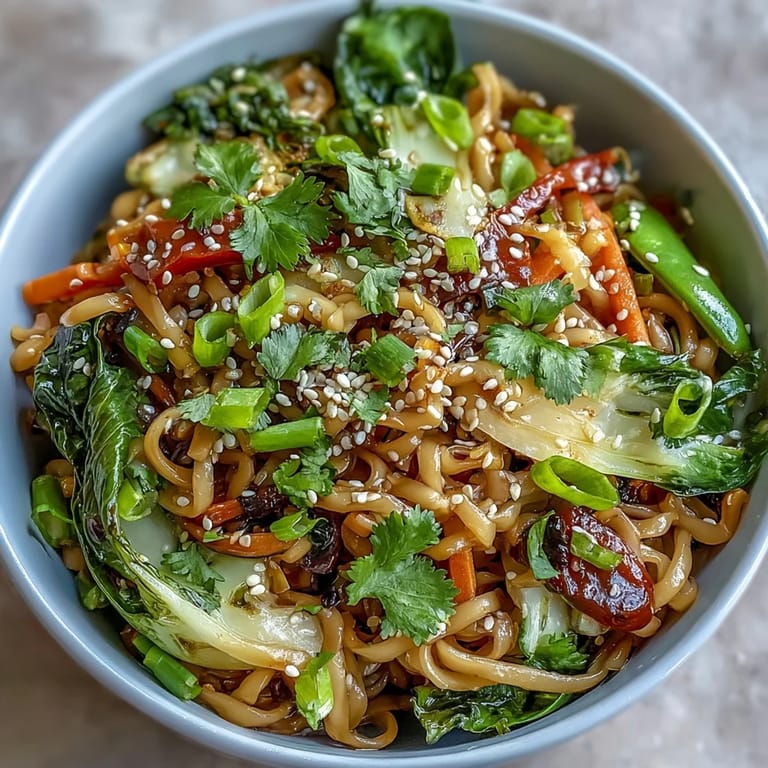
Save This bowl became my answer to the question I ask myself most nights: what can I make that feels satisfying without feeling heavy? It's become the kind of recipe that doesn't need a reason to make—it just quietly gets made when you want something real.
Recipe FAQs
- → What do shirataki noodles taste like?
Shirataki noodles have a neutral taste on their own and absorb flavors from sauces and seasonings. Their gelatinous texture becomes more appealing when rinsed thoroughly, boiled, and pan-fried until slightly crisp.
- → How do I prepare shirataki noodles properly?
Drain the noodles, rinse thoroughly under cold water, boil for 2 minutes, then drain again and pat dry with paper towels. This removes the natural odor and improves texture before adding to your bowl.
- → Can I add protein to this bowl?
Grilled tofu, tempeh, edamame, or cooked shrimp work wonderfully. For vegan options, try crispy baked tofu or marinated tempeh slices pan-seared separately and added on top.
- → What vegetables work best in this bowl?
Bok choy, bell peppers, snow peas, and carrots provide crunch and color. Broccoli florets, snap peas, mushrooms, or shredded cabbage also work well based on availability and preference.
- → Is this bowl actually low-carb?
Yes, shirataki noodles contain virtually zero digestible carbs. The vegetables contribute minimal carbohydrates, making this bowl suitable for low-carb and keto lifestyles while remaining completely vegan.
- → How long does the ginger sauce keep?
The sauce stays fresh in an airtight container in the refrigerator for up to 5 days. Whisk well before using since the oil may separate slightly during storage.