 Save
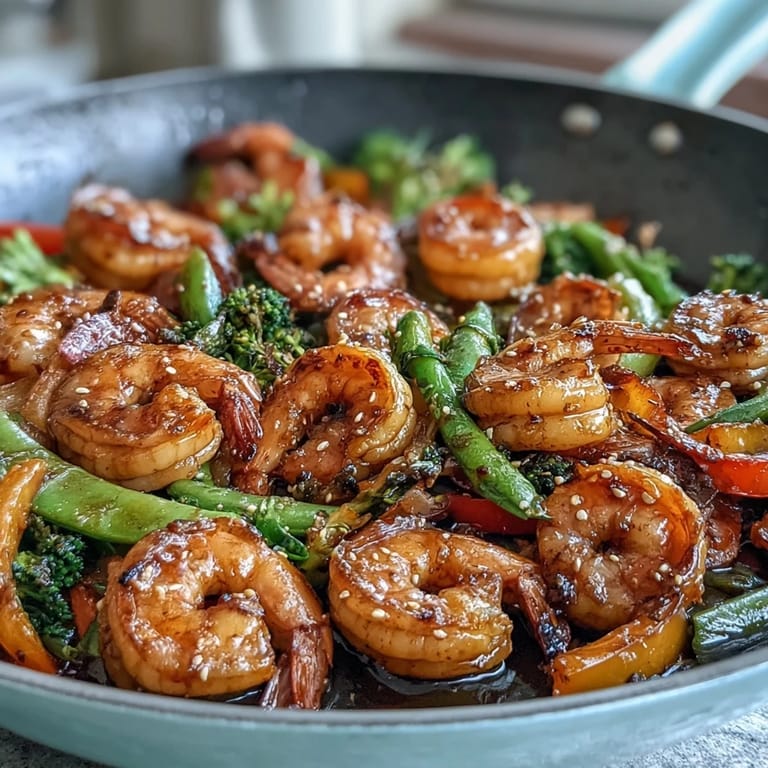
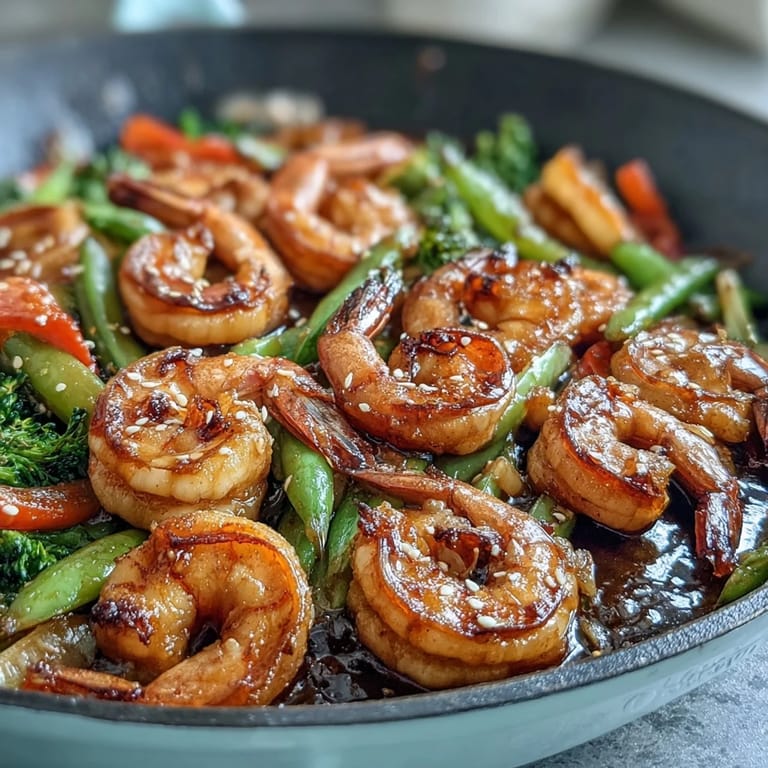
Save There's a Tuesday evening burned into my memory when my coworker Sarah mentioned her stir-fry habit—how she'd bang out dinner in twenty minutes flat while I was still deciding what to cook. That same week, I grabbed a head of cauliflower on impulse, remembered her trick, and suddenly had a weeknight dinner that felt both indulgent and practical. The shrimp turned pink while ginger perfumed my tiny kitchen, and for the first time, I understood why people got excited about quick meals that didn't compromise on flavor or vegetables.
I made this for my sister after she mentioned wanting to eat healthier without sacrificing taste, and watching her fork into it with genuine enthusiasm—not polite obligation—made the whole thing worthwhile. She asked for the recipe before even finishing her bowl, which felt like the highest compliment.
Ingredients
- Large shrimp, peeled and deveined (1 lb): Buy them from the fishmonger if you can; the quality difference is noticeable, and they'll cook more evenly than the pre-frozen bags.
- Red and yellow bell peppers (1 each, thinly sliced): The colors aren't just pretty—they add slightly different flavor notes, and you want them thin enough to cook through in minutes.
- Sugar snap peas (1 cup): These stay snappy instead of turning mushy, which is exactly the textural contrast that makes stir-fries feel alive.
- Broccoli florets (1 cup): Cut them small so they finish cooking when everything else does; nobody wants crunchy-raw broccoli in a finished dish.
- Carrots, julienned (2 medium): The julienne cut isn't fussy—it's practical, since thin strips cook faster and add sweetness without overwhelming.
- Green onions (3, sliced): Save some for garnish; the raw ones at the end add brightness that cooked ones can't match.
- Fresh garlic and ginger (2 cloves and 1-inch piece): Mince them finely so they distribute evenly and bloom properly in hot oil, which is where all their magic happens.
- Low-sodium soy sauce or tamari (3 tbsp): Tamari is your friend if anyone at the table avoids gluten, and low-sodium lets you taste the actual sauce, not just salt.
- Toasted sesame oil (1 tbsp): Don't cook with this directly—drizzle it into the finished sauce so the flavor stays bright and nutty instead of burnt.
- Rice vinegar (1 tbsp): It's milder than regular vinegar, which means your sauce tastes balanced instead of aggressively sour.
- Honey or maple syrup (1 tbsp): A teaspoon of sweetness rounds out the salty-tangy flavor profile without making it dessert-like.
- Cornstarch (1 tsp, optional): Use this if your sauce looks too thin; it thickens everything without adding flavor, and the starch practically dissolves.
- Cauliflower rice (1 large head or 4 cups pre-riced): Fresh is better than frozen for this dish because it won't release excess water and turn mushy, though frozen works in a pinch.
- Olive or avocado oil (2 tbsp total): Avocado oil has a higher smoke point, which matters when you're cooking hot and fast.
- Sesame seeds (1 tbsp, optional): Toast them lightly in a dry pan before sprinkling; it takes thirty seconds and triples their nutty depth.
Tired of Takeout? 🥡
Get 10 meals you can make faster than delivery arrives. Seriously.
One email. No spam. Unsubscribe anytime.
Instructions
- Rice the cauliflower into bite-sized pieces:
- Cut the head into florets, then pulse them in a food processor until they resemble rice grains—this takes less time than it sounds, maybe two minutes. If you don't have a processor, a box grater works, though your knuckles will thank you less.
- Sauté the cauliflower rice until it softens:
- Heat oil in a large skillet over medium heat, then add the riced cauliflower with a pinch of salt and pepper, stirring occasionally for about five minutes until it's tender without becoming a mashed mess. Transfer it to your serving bowls and cover them so everything stays warm while you finish the main event.
- Prepare your sauce in advance:
- Whisk together soy sauce, sesame oil, rice vinegar, honey, cornstarch if you're using it, and water in a small bowl, then set it aside—having it ready means you're not fumbling while everything's cooking.
- Sear the shrimp until they turn pink:
- Heat your wok or skillet over medium-high heat, then add shrimp and let them cook undisturbed for about two minutes before flipping and cooking another minute or so until they're opaque all the way through. Remove them to a clean plate immediately; overcooked shrimp is rubbery, and you're so close to perfect.
- Build flavor with aromatics:
- Add a splash more oil to the same pan, then let garlic and ginger sizzle for maybe thirty seconds until your kitchen smells incredible—this is where the whole dish gets its soul.
- Stir-fry the vegetables until crisp-tender:
- Toss in your bell peppers, carrots, broccoli, and snap peas, stirring constantly for three to four minutes so everything cooks evenly and nothing gets forgotten at the bottom. You want to hear that gentle sizzle the whole time, which means your heat is right.
- Bring everything together:
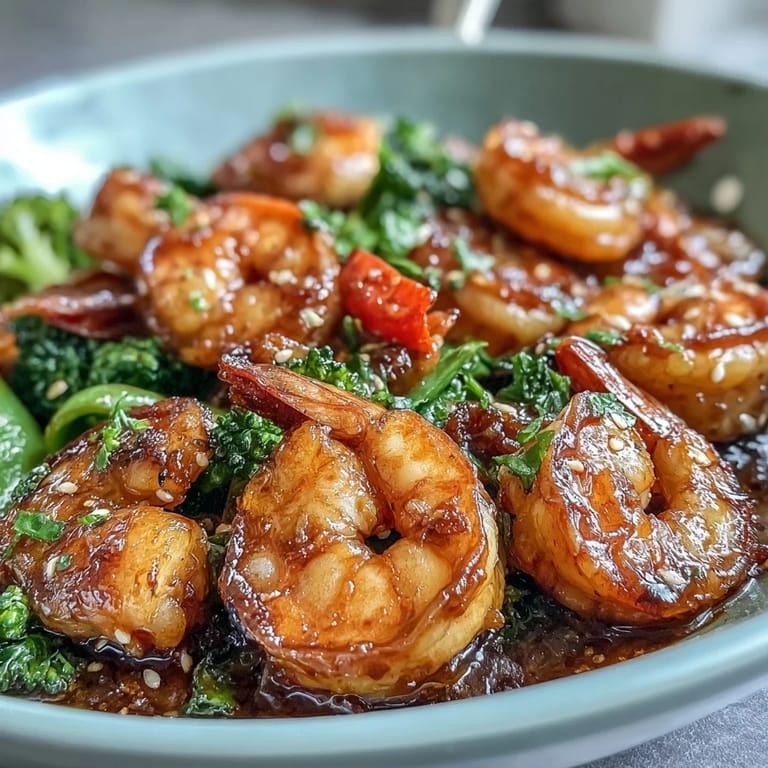
- Return the shrimp to the pan, pour in your sauce, and toss everything until it's coated and heated through, which takes about a minute or two. If your sauce looks thin, that cornstarch will work its magic; if you skipped it, that's fine too—you'll just have a saucier dish.
- Serve over cauliflower rice with fresh garnishes:
- Spoon the stir-fry over your warm cauliflower rice, scatter green onions and sesame seeds on top, and maybe squeeze some fresh lime over everything if you're feeling it.
 Save
Save I've made this dish probably thirty times now, and somewhere along the way it stopped being a recipe and started being the meal I reach for when I want to feel like I'm taking care of myself. That matters, more than I expected it would.
Why This Works as a Quick Dinner
The secret isn't that each component is simple—it's that they're all prepped before anything hits heat, which means once you start cooking, you're never waiting on something. Twenty minutes is genuinely enough time because you're not doing mise en place while your pan sits there cooling down.
The Cauliflower Rice Advantage
Most people don't realize how much better cauliflower rice is when it's lightly sautéed first instead of served raw or steamed to death. Those few minutes in hot oil give it a subtle toasted quality that actually complements the stir-fry sauce instead of just absorbing it blankly like white rice would.
Flexibility Without Losing the Thread
This dish adapts beautifully if you don't have everything on hand or you're cooking around dietary preferences and allergies. Swap the shrimp for chicken breast cut thin, chunks of tofu pressed and pan-fried, or even just extra vegetables if you're making this vegetarian—the sauce and technique stay exactly the same, so the dish still tastes intentional instead of improvised.
- If you want heat, add chili flakes or a dash of sriracha to your sauce before cooking.
- Serve with lime wedges on the side so people can brighten their own bowls however they like.
- Pre-riced cauliflower saves you ten minutes if your schedule is tighter than your pantry.
 Save
Save This meal sits right at that sweet spot where it feels indulgent enough to look forward to, but practical enough that you'll actually make it on a random Tuesday. That's the recipe I keep reaching for.
Recipe FAQs
- → Can I substitute shrimp with other proteins?
Yes, chicken breast, tofu, or tempeh can be used as alternatives while maintaining the dish's flavor and texture balance.
- → How do I make the cauliflower rice fluffy?
Pulse the cauliflower florets in a food processor until rice-sized, then sauté briefly in olive oil with a pinch of salt to keep it tender yet fluffy.
- → What sauce ingredients bring the most flavor?
The combination of low-sodium soy sauce, toasted sesame oil, rice vinegar, and honey creates a balanced mix of savory, nutty, tangy, and sweet notes.
- → Is this dish suitable for a low-carb diet?
Yes, using cauliflower rice instead of traditional grains keeps the carbohydrate content low while providing fiber and nutrients.
- → How can I add some heat to this stir-fry?
Incorporate chili flakes or a dash of sriracha during cooking to introduce a spicy kick without overpowering other flavors.